What Makes Albuquerque Architecture So Unique? A Look at Local Home Styles
Albuquerque isn’t just known for its sunsets and Sandia views — it’s a city with some of the most distinctive architecture in the Southwest. Whether you're a homeowner, a future buyer, or simply someone who loves New Mexico’s rich design history, understanding our local home styles can help you appreciate what makes this market so special.
Albuquerque’s architecture reflects its diverse cultural influences: Native American craftsmanship, Spanish history, Territorial-era expansion, and modern-day innovation. Each home tells a story — and together, they create the warm, textured, unmistakable look that many people fall in love with.
Below is a guide to the home styles you’ll most commonly see across ABQ, what makes them unique, and why these features continue to define the city’s charm.
1. Pueblo Revival: The Signature Style of New Mexico
If you picture classic Albuquerque architecture, you’re probably imagining Pueblo Revival.
Defining Features
-
Smooth stucco exteriors in earthy tones
-
Flat roofs with parapets
-
Rounded edges and soft silhouettes
-
Vigas (exposed wooden beams)
-
Adobe or adobe-style construction
Why It Matters
This style pays homage to Indigenous Pueblo architecture and became popular again in the early 1900s. Pueblo Revival homes blend seamlessly with New Mexico’s desert landscapes, offering both beauty and cultural significance.
Where You'll See It:
North Valley, Old Town, Ridgecrest, and custom builds throughout the city.
2. Territorial Style: Clean Lines + Southwestern Tradition
Territorial-style homes bring an interesting mix: the traditional adobe look combined with early American architectural influences.
Defining Features
-
Brick coping along flat roofs
-
White-painted door and window trim
-
Symmetrical façades
-
Multi-paned windows
-
Classic rectangular form
Why It Matters
Developed during the mid-1800s, Territorial homes reflect New Mexico’s transition from Spanish rule to American territory. They’re both historic and timeless.
Where You’ll See It:
Old Town, Nob Hill, and some historic neighborhoods near Downtown.
3. Southwestern / Santa Fe Style: Warm, Cozy, and Iconic
Often confused with Pueblo Revival, this style is inspired by both Pueblo architecture and Spanish Mission design.
Defining Features
-
Stucco in tan, brown, or pink hues
-
Decorative wood accents
-
Courtyards and portals
-
Kiva fireplaces
Why It Matters
It’s one of the most popular styles with both locals and newcomers, offering a warm, earthy aesthetic that feels unmistakably New Mexican.
Where You’ll See It:
Throughout Albuquerque, including Sandia Heights, Northeast Heights, and the Foothills.
4. Mid-Century Modern: Clean, Cool, and Highly Desired
Albuquerque has some of the best mid-century pockets in the state thanks to the city’s growth in the 1950s and 1960s.
Defining Features
-
Clean, minimalist lines
-
Large windows for natural light
-
Low, horizontal profiles
-
Open floor plans
-
Integration with outdoor spaces
Why It Matters
Mid-century homes are loved for their functional layouts and stylish, timeless design. These properties appeal to both modern buyers and architectural enthusiasts.
Where You’ll See It:
Nob Hill, Uptown, and parts of the Northeast Heights.
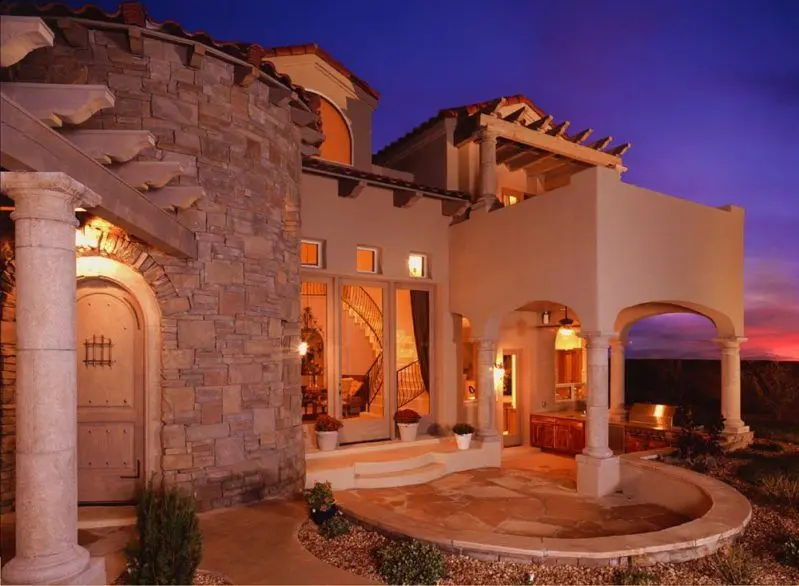
5. Spanish Mediterranean: Classic Beauty With Global Influence
Although less common, these homes add a romantic Old-World charm to Albuquerque’s neighborhoods.
Defining Features
-
Red clay tile roofs
-
Arched windows and doorways
-
Decorative wrought iron
-
Stucco exteriors
-
Elegant entryways
Where You’ll See It:
Four Hills, Tanoan, and luxury pockets around Northeast Heights.
6. Contemporary Southwest: Where Tradition Meets Today
Modern builders are blending classic New Mexico architecture with sleek, luxury design.
Defining Features
-
Clean stucco lines
-
Large glass windows
-
Eco-friendly materials
-
Outdoor living spaces
-
Modern interiors with subtle Southwestern touches
Why It Matters
This style attracts buyers looking for modern amenities without losing New Mexico’s architectural identity.
Where You’ll See It:
New construction communities in Northwest Albuquerque, Rio Rancho, and developments near the Foothills.
How Albuquerque’s Architecture Impacts the Real Estate Market
Understanding these home styles helps:
Buyers
-
Identify what architectural designs match their lifestyle
-
Compare neighborhoods based on home aesthetics
-
Recognize features that increase value
Sellers
-
Showcase architectural strengths to stand out
-
Highlight features that appeal to specific buyer groups
-
Price their homes competitively based on style and demand
Final Thoughts
Albuquerque’s architecture is more than a collection of building styles — it’s a celebration of culture, history, and creativity. Whether you’re browsing homes, preparing to sell, or simply exploring the city, knowing these styles helps you see Albuquerque through a richer, more informed lens.
If you're curious about which home style best fits your lifestyle — or if you want help preparing your home for today’s market — I’d love to guide you. With deep knowledge of Albuquerque’s neighborhoods and architectural trends, I’m here to help you make confident real estate decisions.
FAQ
Q: What is the most common or iconic home style in Albuquerque?
A: Pueblo Revival is the city’s signature style — stuccoed walls, flat roofs, vigas, and earth-tone palettes that reflect Indigenous and Spanish influences.
Q: Are adobe and Pueblo-style homes energy efficient?
A: Yes — traditional adobe has excellent thermal mass, which helps stabilize indoor temperatures. Modern builds that mimic adobe with updated insulation and HVAC systems can be both efficient and comfortable.
Q: Are there historic preservation rules or restrictions for certain home styles?
A: Some neighborhoods (like Old Town or designated historic districts) have guidelines or review processes for exterior changes. Always check local ordinances or HOA rules before remodeling historic features.
Q: Will a unique architectural style affect resale value?
A: Distinctive styles (Pueblo Revival, Territorial, Mid-Century Modern) often attract buyers seeking character and can command premium prices — but appeal depends on the buyer pool and neighborhood demand.
Q: How can I modernize a Southwestern home without losing its character?
A: Focus on sensitive updates: modern kitchens and bathrooms, energy upgrades (windows, HVAC), and neutral finishes that preserve original elements like vigas, kiva fireplaces, and adobe textures.
Categories
Recent Posts


GET MORE INFORMATION