
How to Maintain a Clean and Healthy Home in Albuquerque’s Dusty Climate
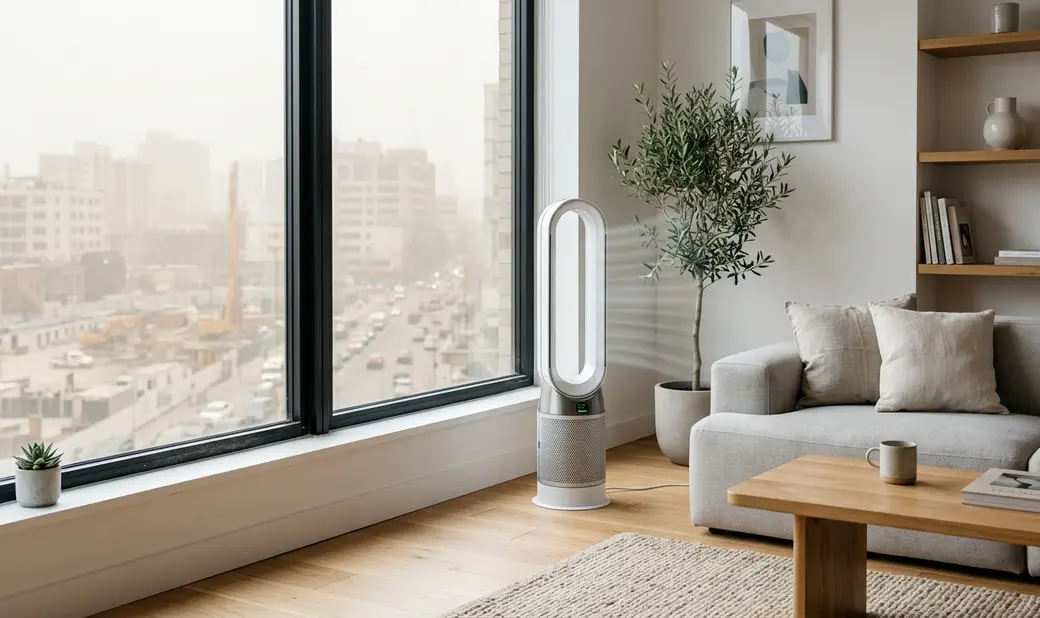
Living in Albuquerque’s high-desert climate offers stunning views and sunny days, but it also means dealing with some unique challenges, particularly when it comes to dust and allergens. The dry air and winds in this area can easily bring dust into your home, and without regular cleaning and maintenance, it can quickly build up, affecting both the cleanliness and indoor air quality.
Fortunately, there are several ways to keep your home fresh, healthy, and dust-free. In this guide, we’ll share practical tips and techniques for maintaining a clean and healthy home in Albuquerque, so you can breathe easier and enjoy your space to the fullest.
1. Regular Dusting and Vacuuming
In Albuquerque’s dry climate, dust is an inevitable part of life. But with the right cleaning habits, you can reduce the buildup and keep your home looking spotless.
Why It’s Important:
- Dust particles can accumulate on surfaces and furniture, making your home look dirty and affecting air quality.
- Prolonged exposure to dust can irritate allergies, asthma, and respiratory conditions.
Cleaning Tips:
- Dust surfaces regularly with a microfiber cloth. Microfiber traps dust better than traditional cloths or feather dusters, preventing dust from flying around.
- Vacuum at least once a week, particularly in areas where dust tends to settle, like carpets, rugs, and upholstered furniture. Use a vacuum with a HEPA filter to capture fine dust particles and allergens.
- Consider a robot vacuum to help keep floors dust-free with minimal effort, especially in high-traffic areas.
- Use a wet mop for hard floors. Dry mopping can push dust around, but a wet mop traps dust and dirt, leaving your floors spotless.
2. Control Indoor Air Quality with Air Purifiers
In a dusty climate like Albuquerque’s, managing indoor air quality is crucial to maintaining a healthy home environment. Airborne dust particles, pollen, and other allergens can quickly accumulate indoors.
Why It’s Important:
- Dust isn’t just visible—it can pollute the air you breathe, causing health issues like allergies, coughing, or dry throat.
- Good air quality helps reduce health risks and keeps your home feeling fresh.
Air Purifier Tips:
- Invest in high-quality air purifiers for key areas of your home, especially bedrooms and living rooms. Choose models with HEPA filters to trap small particles and allergens.
- Change your air purifier filters regularly to maintain their effectiveness.
- Consider adding plants like peace lilies or snake plants, which naturally purify the air by absorbing dust and toxins.
- Ensure your HVAC system has a high-efficiency air filter, and replace it every 3–6 months to keep dust from circulating through your home.
3. Seal Gaps and Cracks to Prevent Dust Infiltration
While dust is inevitable, it’s possible to limit how much makes its way inside. Small gaps and cracks around windows and doors can let in dust and dirt from outside, especially on windy days.
Why It’s Important:
- Gaps and cracks act as entry points for dust, allergens, and pests.
- Sealing these openings helps keep your home cleaner, reduces dust buildup, and enhances energy efficiency.
How to Seal Gaps:
- Inspect windows and doors for gaps or cracks and seal them with weather stripping or caulk.
- Install door sweeps at the bottom of exterior doors to block dust from entering.
- Consider using weatherproof window film for added protection during the windy months.
4. Clean Your Air Vents and Ducts Regularly
Your home’s air vents and ducts can collect dust and debris over time, which may be distributed throughout your house whenever the heating or cooling system is running.
Why It’s Important:
- Dust and dirt in the ducts can circulate allergens and irritants through the air, reducing your indoor air quality.
- Keeping ducts clean can help your HVAC system run more efficiently.
How to Clean Vents and Ducts:
- Have your air ducts professionally cleaned every 3–5 years, especially if you’ve never had them cleaned before or notice dust buildup around vents.
- Clean your air vents regularly by vacuuming the vent covers and wiping them down with a damp cloth.
- Make sure to replace HVAC filters every 1–3 months to keep dust from circulating through the system.
5. Create a Routine for Cleaning Upholstery and Fabrics
Furniture, bedding, and other fabric surfaces can trap dust, pollen, and other allergens. It’s essential to clean and maintain these items to keep your home as dust-free as possible.
Why It’s Important:
- Upholstered furniture, curtains, and bedding can collect dust, pet dander, and allergens, contributing to poor indoor air quality.
- Regular cleaning helps extend the lifespan of your fabrics and ensures a cleaner, healthier home environment.
How to Clean Upholstery and Fabrics:
- Vacuum your furniture regularly, especially cushions and fabric-covered chairs. Use an upholstery attachment to avoid pushing dust deeper into the fabric.
- Wash bedding, pillows, and blankets weekly to remove dust and allergens.
- Launder curtains and drapes every few months to prevent dust buildup.
- Consider upholstery cleaning or using a steam cleaner for deeper cleaning of your furniture.
6. Maintain Your Yard and Outdoor Spaces
The dust in Albuquerque doesn’t just stay inside. Your yard and outdoor spaces can also be sources of dust and dirt. By keeping the exterior of your home in good shape, you can reduce the amount of dust that enters through doors and windows.
Why It’s Important:
- Albuquerque’s windy conditions can blow dust and debris into your yard, which can then be tracked indoors.
- A well-maintained yard helps create a buffer to keep dirt and dust outside.
Yard Maintenance Tips:
- Water your yard regularly to keep dust from becoming airborne. Xeriscaping is a popular landscaping choice in Albuquerque due to its low water needs and low dust levels.
- Trim bushes and trees to prevent them from collecting dust and pollen.
- Rake leaves and debris regularly, and keep outdoor furniture and porches clean and covered when not in use.
7. Keep Your Home’s Humidity Levels in Check
Albuquerque’s dry climate can lead to dry indoor air, which can exacerbate allergies, dry skin, and respiratory issues. Balancing the humidity levels in your home helps reduce dust particles and improve overall comfort.
Why It’s Important:
- Low humidity can cause dust to become airborne and settle on surfaces more easily.
- Higher humidity can help dust settle faster and keep the air feeling more comfortable.
How to Control Humidity:
- Use a humidifier to maintain a balanced level of humidity (ideally between 30-50%) throughout your home.
- In drier months, consider placing a bowl of water near your heating system to naturally increase humidity.
- Avoid over-humidifying the space, as this can lead to other issues, like mold or mildew growth.
Final Thoughts
Maintaining a clean and healthy home in Albuquerque is a unique challenge, especially with the dry, dusty climate. But with regular cleaning, dust control, and proactive maintenance, you can enjoy a fresh, healthy environment year-round. By following these tips, you can ensure your home stays in top shape, improves your indoor air quality, and offers a comfortable living space for you and your family.
If you ever need help finding a move-in-ready home in Albuquerque, where you can avoid dealing with major maintenance issues from the start, reach out to me!
FAQs
Q: How often should I vacuum to control dust in Albuquerque?
A: Vacuum at least once a week, especially in areas where dust tends to accumulate, like carpets, rugs, and upholstered furniture.
Q: How can I keep my air ducts clean in Albuquerque?
A: Schedule a professional air duct cleaning every 3-5 years and replace HVAC filters every 1-3 months to keep dust from circulating.
Q: Is there anything I can do to control dust in my yard?
A: Water your yard regularly and consider xeriscaping to minimize dust. Rake leaves and debris frequently to keep the yard clean.
Q: Do air purifiers really work for dust?
A: Yes! A high-quality air purifier with a HEPA filter can capture fine dust particles and significantly improve indoor air quality.
Categories
Recent Posts










GET MORE INFORMATION