Why Albuquerque’s Unique Climate Should Be Considered When Buying a Home
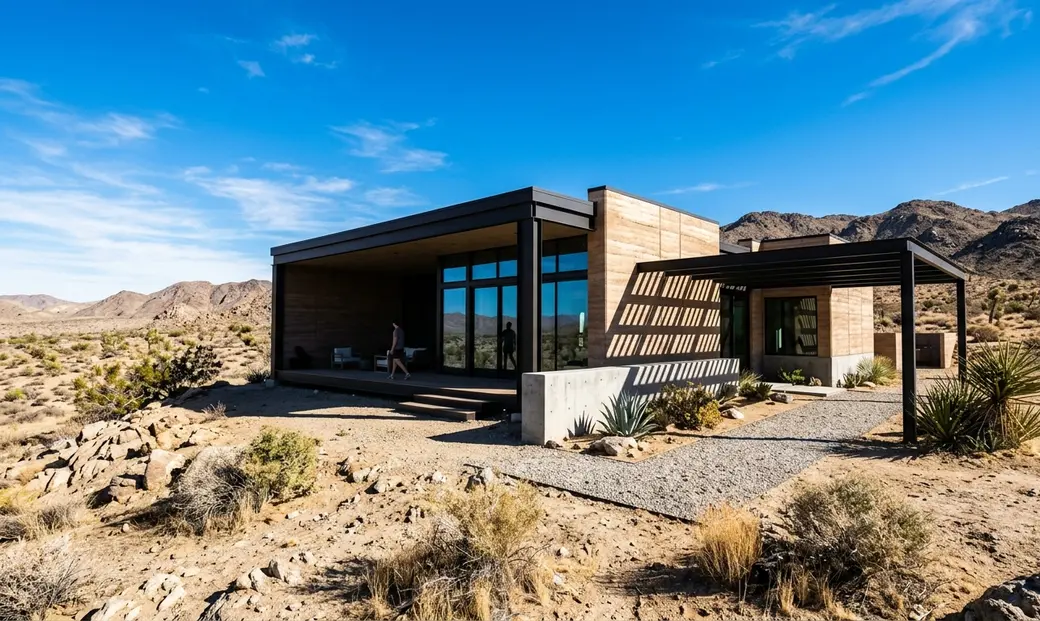
Albuquerque is known for its beautiful high-desert landscape, sunny skies, and breathtaking mountain views—but its climate isn’t just a backdrop. It plays a major role in how homes are built, maintained, and valued.
If you’re planning to buy a home in Albuquerque, understanding how the local climate affects everything from roofing to energy costs can help you make a smarter investment—and avoid unexpected expenses down the road.
Let’s break down exactly why Albuquerque’s climate should be part of your home-buying strategy.
Understanding Albuquerque’s High-Desert Climate
Albuquerque’s climate is defined by:
- Low humidity
- Intense sun exposure
- Wide temperature swings (day vs. night)
- Wind and dust
- Seasonal monsoon rains
While many people love the dry weather, these conditions can impact a home’s durability, efficiency, and maintenance needs.
The key is choosing a home that’s built—or updated—to handle these elements.
1. Sun Exposure & Heat: More Than Just Comfort
With over 300 days of sunshine each year, Albuquerque homes get a lot of direct sun.
What to Look For:
- Energy-efficient windows (double or triple pane)
- Proper insulation in walls and attic
- Covered patios or shaded outdoor spaces
- Roof condition and material (UV-resistant materials last longer)
Why It Matters:
- Helps reduce cooling costs during hot summers
- Protects interior finishes (flooring, cabinets, paint) from fading
- Improves overall comfort inside the home
Homes without proper sun protection can feel hotter and cost more to cool.
2. HVAC Systems Are Critical
In a high-desert climate, your heating and cooling system works hard year-round.
What Buyers Should Check:
- Age and condition of the HVAC system
- Whether the home has refrigerated air vs. evaporative cooling (swamp cooler)
- Maintenance history
Why This Matters:
- Summers can be hot, and winters can get cold at night
- Replacing an HVAC system can be a significant expense
A well-maintained system is not optional—it’s essential.
3. Dust & Air Quality Considerations
Albuquerque’s dry, windy conditions mean dust is a constant factor.
What to Look For:
- Sealed windows and doors
- Quality air filtration systems
- Minimal gaps or cracks in the home
Why It Matters:
- Improves indoor air quality
- Reduces cleaning and maintenance
- Helps with allergies and respiratory comfort
A home that keeps dust out will feel cleaner and healthier.
4. Roofing Durability Matters More Here
Roofs in Albuquerque take a beating from:
- Intense UV exposure
- Temperature fluctuations
- Occasional heavy rain
What to Check:
- Roof age and material
- Signs of cracking or wear
- Proper drainage systems
Best Materials for the Climate:
- Tile roofs (common in Southwestern homes)
- Metal roofing
- High-quality shingles rated for UV resistance
A strong roof protects your investment—and prevents costly repairs.
5. Landscaping & Water Efficiency
Water conservation is a big part of living in Albuquerque.
What Buyers Should Expect:
- Xeriscaping (low-water landscaping)
- Drip irrigation systems
- Native plants that thrive in dry conditions
Why It Matters:
- Lower water bills
- Less maintenance
- Environmentally friendly
Traditional grass lawns can be expensive and harder to maintain in this climate.
6. Foundation & Soil Conditions
The dry soil in Albuquerque can expand and contract with moisture changes.
What to Watch For:
- Cracks in walls or flooring
- Uneven surfaces
- Signs of past foundation repairs
Why This Matters:
- Foundation issues can be expensive to fix
- Soil movement is common in desert climates
A home inspection is especially important to catch these early.
7. Seasonal Monsoons & Drainage
While Albuquerque is dry most of the year, monsoon season can bring sudden heavy rains.
What to Look For:
- Proper grading around the home
- Functional gutters and downspouts
- No signs of water pooling near the foundation
Why It Matters:
- Poor drainage can lead to water damage
- Flash flooding can impact certain areas
Even in a desert, water management is critical.
8. Energy Efficiency = Long-Term Savings
Because of temperature extremes, energy efficiency is a major factor in long-term home costs.
Features That Add Value:
- Solar panels
- Energy-efficient windows
- Smart thermostats
- Good insulation
Why Buyers Care:
- Lower utility bills
- More comfortable living
- Better resale value
Energy-efficient homes are increasingly in demand in Albuquerque.
9. Outdoor Living Spaces Matter More Here
Thanks to the climate, outdoor living is a big part of the lifestyle.
Desirable Features:
- Covered patios
- Outdoor kitchens
- Shade structures
- Wind protection
Why It Matters:
- Extends your living space
- Increases enjoyment of the home
- Adds value and appeal
Buyers often prioritize outdoor spaces just as much as indoor ones.
Real-Life Example
Home A:
- Older windows, poor insulation, outdated cooling system
- Low upfront price
- High utility bills + future upgrades needed
Home B:
- Energy-efficient windows, updated HVAC, xeriscaped yard
- Slightly higher price
- Lower monthly costs + better comfort
The better long-term investment is often the home built for the climate.
Final Thoughts
Albuquerque’s climate is one of its biggest draws—but it also comes with specific responsibilities as a homeowner.
When buying a home, don’t just focus on layout or design. Pay close attention to how well the property is equipped to handle:
- Sun exposure
- Dust and air quality
- Temperature swings
- Water and drainage
A home that’s well-adapted to Albuquerque’s environment will:
- Save you money
- Require less maintenance
- Provide greater comfort year-round
FAQs
Q: Is refrigerated air better than a swamp cooler in Albuquerque?
A: It depends on preference, but refrigerated air offers more consistent cooling, while swamp coolers are more energy-efficient.
Q: Are solar panels worth it in Albuquerque?
A: Yes—Albuquerque’s sunny climate makes solar a strong long-term investment.
Q: Do homes in Albuquerque require more maintenance?
A: Not necessarily more—but different maintenance, especially related to dust, roofing, and HVAC systems.
Q: Should I be concerned about monsoon flooding?
A: It depends on the area, but proper drainage and grading are key factors to check
Categories
Recent Posts



GET MORE INFORMATION