
How to Estimate Your Home’s Value in Albuquerque Before Selling
One of the most important steps when selling your home is knowing what it’s actually worth.
Price it too high, and your home may sit on the market. Price it too low, and you could leave money on the table.
In Albuquerque’s 2026 market—where things are more balanced and buyers are more selective—pricing your home correctly from the start is what separates a fast, successful sale from a frustrating one.
The good news is, you don’t need to guess. There are clear ways to estimate your home’s value before you list.
Step 1: Look at Comparable Sales (The Foundation)
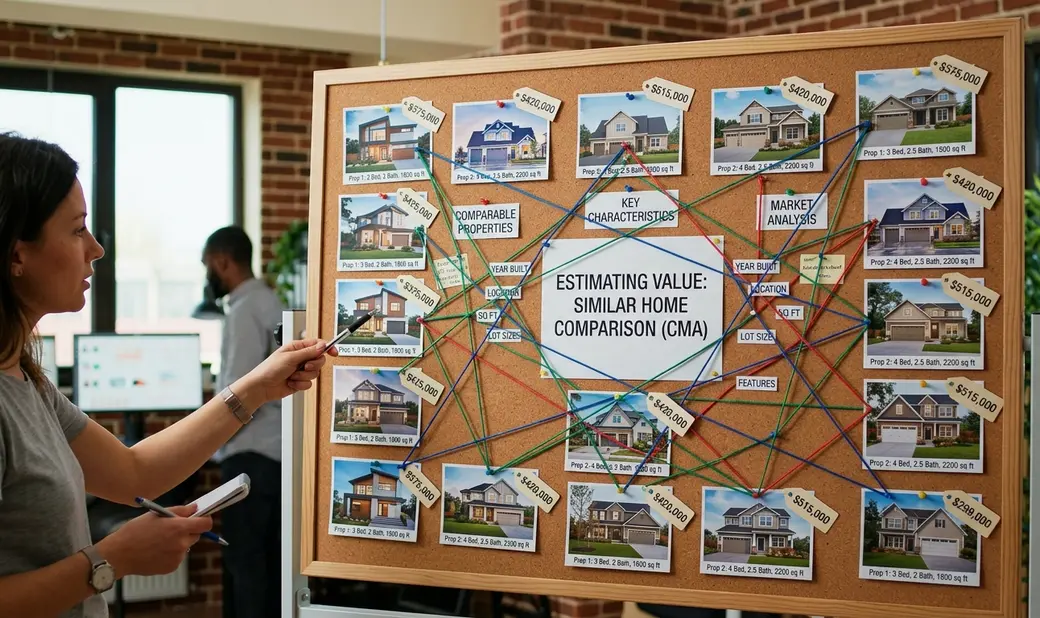
The most accurate way to estimate your home’s value is by analyzing comparable sales, also known as “comps.”
What Are Comps?
These are homes that have:
- Sold recently (ideally within the last 3–6 months)
- Similar size (square footage)
- Similar layout and features
- Located in the same or nearby neighborhood in Albuquerque
Why This Matters:
Buyers—and their lenders—base value on what similar homes have actually sold for, not what sellers hope to get.
Pro Tip:
Active listings show your competition, but sold homes show your true value.
Step 2: Understand Current Market Conditions
Your home’s value isn’t just about your property—it’s also about the market.
In Albuquerque’s Current Market:
- Homes are taking a bit longer to sell
- Buyers have more options
- Negotiation is more common
What This Means for You:
- Pricing aggressively high is riskier than before
- Strategic pricing can attract more interest early
- The first 2–3 weeks on the market are critical
A well-priced home often creates more demand and stronger offers.
Step 3: Evaluate Your Home’s Condition Honestly
Two homes with the same layout can have very different values depending on condition.
Ask Yourself:
- Is my home updated or outdated?
- Are the kitchen and bathrooms modern?
- Is there visible wear and tear?
- Are major systems (roof, HVAC, plumbing) in good shape?
Condition Levels:
- Turnkey / Move-in ready → Higher value
- Average condition → Market value
- Needs updates or repairs → Lower value
Buyers in today’s market are willing to pay more for homes that don’t require immediate work.
Step 4: Factor in Upgrades and Improvements
Not all upgrades add equal value—but some definitely help.
High-Value Improvements:
- Kitchen updates
- Bathroom remodels
- New flooring
- Energy-efficient windows
- Fresh interior/exterior paint
Important Reality:
You won’t always get a full dollar-for-dollar return—but upgrades can:
- Increase your home’s value
- Help it sell faster
- Make it stand out from competitors
Even small improvements can shift buyer perception significantly.
Step 5: Consider Location Within Albuquerque
Location plays a huge role in pricing.
Even within Albuquerque, values can vary based on:
Key Factors:
- School districts
- Proximity to shopping, dining, and parks
- Views (especially mountain views)
- Neighborhood demand
Example:
- Homes in desirable areas like the Northeast Heights or North Valley may command higher prices
- Homes farther from amenities or in less in-demand areas may need more competitive pricing
Buyers aren’t just buying a home—they’re buying the lifestyle and location.
Step 6: Use Online Estimates (But Don’t Rely on Them Alone)
Online home value tools can give you a starting point, but they’re not always accurate.
Why They Can Be Off:
- They don’t account for condition or upgrades
- They use broad data, not hyper-local insights
- They may lag behind current market trends
Think of them as a rough estimate—not your final number.
Step 7: Get a Comparative Market Analysis (CMA)
A Comparative Market Analysis (CMA) from a real estate professional is one of the most valuable tools you can use.
What a CMA Includes:
- Recently sold homes
- Active listings
- Expired listings (homes that didn’t sell)
- Adjustments for features, condition, and location
Why It’s Powerful:
It gives you a realistic pricing range based on current data and market behavior.
This is where strategy starts—not guesswork.
Step 8: Understand Buyer Psychology
Pricing isn’t just numbers—it’s also perception.
What Makes Buyers Say “This Feels Right”:
- Price aligns with condition
- Comparable to similar homes
- Doesn’t feel overpriced
What Turns Buyers Away:
- Price significantly higher than comps
- Poor presentation at a high price
- Sitting on the market too long
Overpricing can actually lead to:
- Fewer showings
- Price reductions later
- Selling for less than if priced correctly from the start
Step 9: Avoid Common Pricing Mistakes
Overpricing “to leave room to negotiate”
Most buyers skip overpriced homes entirely.
Pricing based on emotional value
Buyers don’t factor in your personal attachment.
Ignoring market feedback
If your home isn’t getting showings, the price may be too high.
Following outdated comps
The market changes—recent data matters most.
Step 10: Price Strategically from Day One
The first impression your home makes online is everything.
Why Early Pricing Matters:
- Most buyer interest happens in the first 1–2 weeks
- A well-priced home can create urgency
- Strong early interest can lead to better offers
In today’s market, the best strategy is:
Price correctly → attract attention → create competition → maximize value
Real-Life Scenario
Scenario 1: Overpriced Listing
- Listed too high
- Few showings
- Multiple price reductions
- Sells below expectations
Scenario 2: Strategically Priced Home
- Priced based on comps
- Strong interest early
- Multiple offers or solid negotiation
- Sells faster and closer to (or above) asking
The difference? Strategy, not luck.
Final Thoughts
Estimating your home’s value in Albuquerque isn’t about picking a number—it’s about understanding the market, your home’s condition, and buyer expectations.
In today’s environment:
- Buyers are more informed
- Pricing matters more than ever
- Strategy makes all the difference
When you combine accurate data + smart pricing + strong presentation, you position your home for the best possible outcome.
FAQs
Q: How accurate are online home value estimates?
A: They’re helpful as a starting point but often miss important factors like condition and upgrades.
Q: Should I price my home higher to negotiate?
A: Not usually—overpricing can reduce interest and lead to longer time on market.
Q: How often should I adjust my price?
A: If you’re not getting showings within the first couple of weeks, it may be time to reassess.
Q: What adds the most value before selling?
A: Cleanliness, presentation, and small updates often make a bigger impact than major renovations.
Categories
Recent Posts








GET MORE INFORMATION