The Biggest Red Flags to Watch for When Buying a Home in Albuquerque
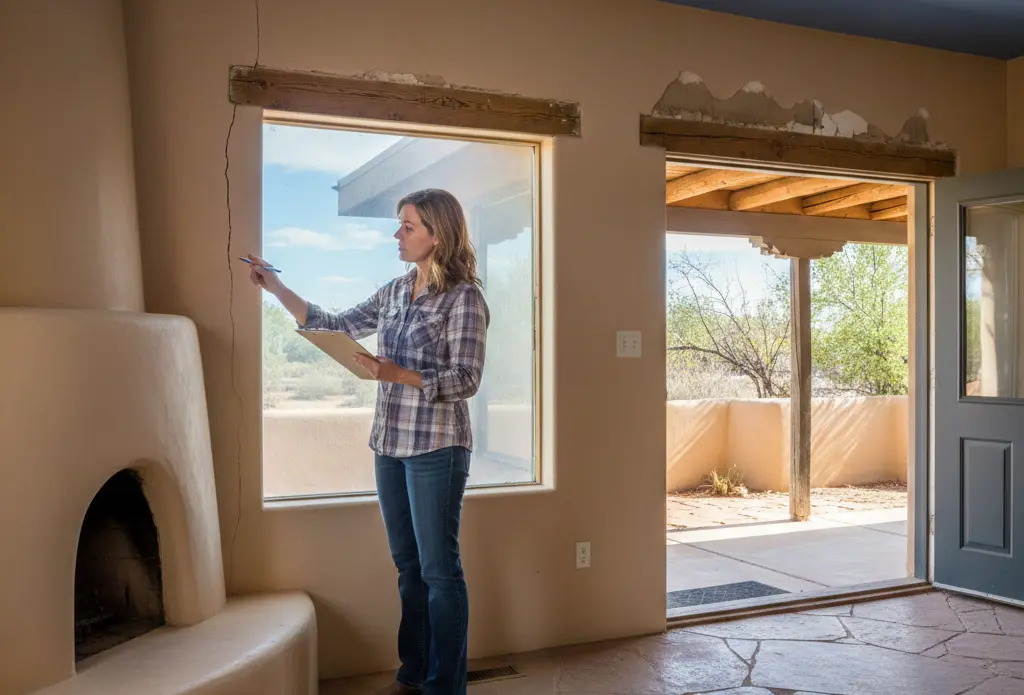
Buying a home is emotional. You walk in, imagine your furniture in the living room, picture holidays in the kitchen, and suddenly it feels like the one. But smart buyers know that excitement should always be balanced with careful observation.
In Albuquerque, homes face unique climate conditions, soil movement, and aging infrastructure patterns that make certain red flags especially important to catch early. Missing them can turn your dream home into an expensive surprise.
Here’s what experienced buyers watch for — and what you should never ignore during a showing.
Foundation Issues and Structural Movement
Foundation problems are one of the most serious (and expensive) red flags a home can have.
Look for:
-
Long horizontal cracks in walls or foundation
-
Doors or windows that stick
-
Uneven or sloping floors
-
Gaps between walls and ceilings
-
Cracks that widen toward the top
Some minor hairline cracks are normal in the desert climate. But patterns that suggest shifting or settling deserve professional evaluation. Foundation repairs can cost tens of thousands of dollars — this is never an area to “hope for the best.”
A good inspector will help determine whether it’s cosmetic or structural.
Roof Age and Heat Wear
The New Mexico sun is beautiful — and brutal on roofing materials.
Warning signs include:
-
Curling or brittle shingles
-
Bald spots or missing granules
-
Visible patch repairs
-
Ceiling water stains
-
Sagging roof lines
-
Excessive wear around vents
Even if a roof isn’t leaking today, an aging roof may need replacement soon. Buyers should ask:
-
How old is the roof?
-
What materials were used?
-
Has it been repaired recently?
A roof near the end of its lifespan should be factored into your offer price.
HVAC Systems on Their Last Leg
Air conditioning isn’t a luxury here — it’s survival.
Pay attention to:
-
Loud or struggling HVAC units
-
Uneven cooling
-
Old swamp coolers without upgrades
-
Rusted or poorly maintained equipment
-
Lack of service records
Replacing HVAC systems is costly, especially if ductwork also needs updating. If the system is 15–20 years old, plan for future replacement even if it’s still running.
Signs of Water Damage
Water is sneaky. It can hide behind walls and under flooring for years.
Watch for:
-
Soft spots in flooring
-
Bubbling paint
-
Warped baseboards
-
Musty smells
-
Mold around windows or bathrooms
-
Water stains on ceilings
Even in a dry climate, plumbing leaks and roof issues can cause serious damage. Mold remediation and hidden rot can quickly escalate into major expenses.
If something smells off, trust your instincts.
Electrical Red Flags
Older homes can have outdated wiring that isn’t built for modern electrical demands.
Look for:
-
Flickering lights
-
Two-prong outlets
-
Overloaded breaker panels
-
Exposed wiring
-
Warm outlets or switches
-
Frequent tripped breakers
Electrical upgrades aren’t just about convenience — they’re about safety. Faulty systems increase fire risk and may not meet current code.
Poor Drainage and Grading
How water flows around a home matters more than many buyers realize.
Red flags include:
-
Standing water near the foundation
-
Soil sloping toward the house
-
Cracked exterior stucco
-
Erosion around the base
-
Basement or crawlspace moisture
Improper drainage can lead to long-term foundation and structural issues. Landscaping fixes can help, but severe grading problems require bigger investment.
DIY Repairs That Look… Questionable
Not all home improvements are created equal.
Be cautious if you see:
-
Uneven tile or flooring
-
Crooked cabinetry
-
Inconsistent paint covering damage
-
Patchwork plumbing
-
Exposed seams or unfinished work
-
Additions without permits
Poor workmanship may signal hidden issues behind the walls. Always ask whether renovations were permitted and professionally completed.
Pest and Termite Evidence
Desert climates don’t eliminate pest risks — they just change the types.
Watch for:
-
Hollow-sounding wood
-
Mud tubes on foundations
-
Droppings in attics or garages
-
Damaged trim
-
Chewed wiring
-
Unusual odors
Termite or pest damage can weaken structural components and require professional treatment.
Why Inspections Matter More Than Ever
No home is perfect. The goal isn’t to find a flawless property — it’s to understand what you’re buying before you commit.
A strong inspection allows buyers to:
-
Negotiate repairs
-
Adjust pricing
-
Plan future maintenance
-
Walk away from unsafe properties
-
Avoid emotional decisions
The biggest mistake buyers make isn’t finding problems — it’s ignoring them.
Final Thoughts
A beautiful kitchen can distract you. Fresh paint can hide flaws. Staging can create emotional attachment. But smart buying means looking beyond surface appeal and protecting your future investment.
The right guidance helps you separate manageable repairs from costly disasters — and that’s where expert representation makes all the difference.
Buying a home should feel exciting, not risky. With the right knowledge and professional support, you can move forward confidently, knowing you’ve made a decision based on facts — not just feelings.
FAQs
Are foundation cracks always a deal breaker?
Not always. Small cosmetic cracks are common, but large horizontal or widening cracks should be evaluated by a structural expert.
Should I avoid older homes in Albuquerque?
Older homes can be wonderful, but they require more inspection attention — especially electrical, plumbing, and roofing systems.
Can red flags be negotiated in the purchase price?
Yes. Inspection findings often become negotiation points for repairs or credits.
Is skipping an inspection ever a good idea?
No. Even in competitive markets, inspections protect buyers from hidden financial risk.
What’s the biggest mistake buyers make during showings?
Focusing only on aesthetics and ignoring structural or mechanical warning signs.
Categories
Recent Posts







GET MORE INFORMATION