What Makes a Strong Real Estate Market (and Where Albuquerque Stands)
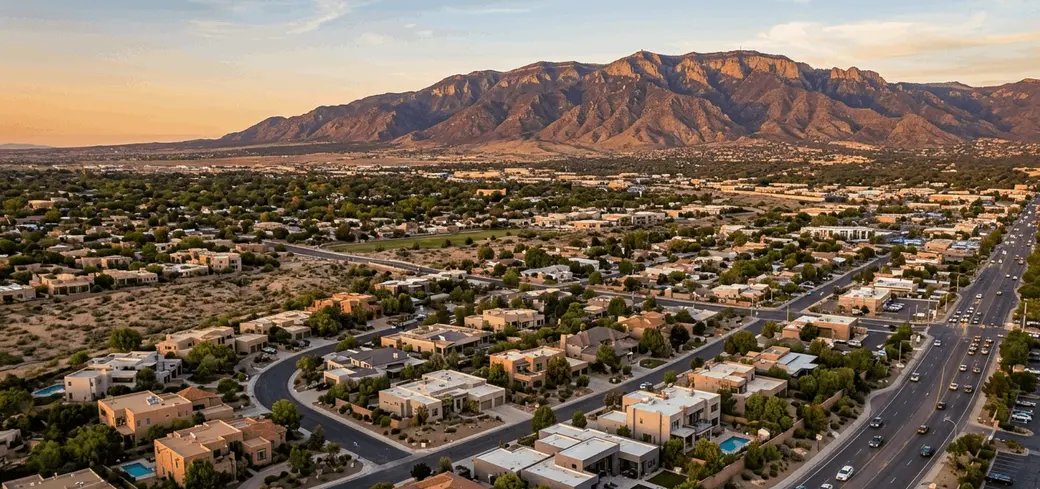
When people talk about real estate, you’ll often hear phrases like “hot market,” “buyer’s market,” or “seller’s market.”
But what actually makes a real estate market strong?
And more importantly, where does Albuquerque fit into that picture?
A strong real estate market isn’t just about rising prices. It’s about balance, demand, stability, and long-term sustainability. Understanding these factors can help buyers and sellers make smarter decisions, especially in a market like Albuquerque that continues to evolve.
Let’s break it down in a clear, practical way.
What Defines a Strong Real Estate Market?
A strong real estate market is not defined by one single factor. Instead, it’s a combination of conditions working together.
1. Healthy Buyer Demand
One of the biggest indicators of a strong market is consistent buyer demand.
When more people want to buy homes than there are homes available, competition increases.
This demand can come from:
- Job growth
- Population growth
- Relocation trends
- Lifestyle appeal
- Affordable cost of living compared to nearby cities
Strong demand helps support stable home values over time.
2. Limited Housing Supply
Inventory plays a major role in market strength.
A strong market typically has:
- Fewer homes available for sale
- Faster-selling properties
- More competition among buyers
When supply is limited, prices tend to stay supported because buyers are competing for fewer options.
However, too little inventory can also create affordability challenges, which is why balance is important.
3. Stable and Sustainable Price Growth
A strong market does not mean rapidly rising prices forever.
Instead, it shows:
- Steady appreciation over time
- Fewer extreme spikes or crashes
- Predictable long-term growth
Markets that grow too quickly can become unstable. Markets that grow steadily tend to be more sustainable for long-term homeowners.
4. Local Economic Strength
Real estate is closely tied to the local economy.
Strong markets usually have:
- Job availability
- Wage growth
- Economic diversity
- Business expansion
When people feel financially stable, they are more likely to buy homes, which supports housing demand.
5. Low Foreclosure Rates
Healthy markets typically have lower foreclosure activity.
This indicates that homeowners are generally able to sustain their mortgage payments and that lending practices are stable.
High foreclosure rates can signal economic stress and weaken overall market conditions.
6. Balanced Market Conditions
The strongest markets are often balanced—not overly favoring buyers or sellers.
A balanced market usually means:
- Homes sell within a reasonable timeframe
- Prices reflect fair market value
- Negotiations are possible, but not extreme
- Buyers have options, but competition still exists
Balance creates stability for both sides of the transaction.
Where Albuquerque Stands in Today’s Market
Albuquerque is often described as a stable, moderately competitive market with long-term growth potential.
It doesn’t behave like the extreme boom-and-bust markets seen in some larger cities, but it also isn’t stagnant.
Instead, it tends to move at a more measured pace.
1. Demand in Albuquerque
Buyer demand in Albuquerque is supported by several long-term factors:
- Relatively affordable cost of living compared to other Western cities
- Strong appeal for relocation buyers
- Desirable climate and outdoor lifestyle
- Steady in-state population movement
While demand can fluctuate seasonally, overall interest in Albuquerque remains consistent.
2. Inventory Levels
Like many U.S. markets, Albuquerque has experienced periods of limited housing inventory.
In general:
- Desirable homes still attract strong interest
- Well-priced properties tend to sell faster
- Certain price ranges are more competitive than others
Inventory levels can vary significantly by neighborhood and price point.
3. Price Trends
Albuquerque has seen gradual appreciation over time rather than extreme volatility.
This type of growth is often viewed as healthier for long-term homeowners because it:
- Reduces extreme market swings
- Supports steady equity growth
- Avoids rapid affordability shocks (compared to faster-moving markets)
Prices are influenced heavily by location, condition, and demand within specific neighborhoods.
4. Market Competition
Competition in Albuquerque exists, but it is generally more moderate than in highly dense metro areas.
Some homes may still experience:
- Multiple offers
- Quick sales when priced correctly
- Strong demand in desirable neighborhoods
However, buyers often have more breathing room compared to ultra-competitive coastal markets.
5. Long-Term Stability
One of Albuquerque’s strongest traits is its long-term stability.
Rather than dramatic peaks and crashes, the market tends to show:
- Gradual growth
- Periodic cooling phases
- Sustainable demand patterns
This makes it appealing for buyers who prioritize long-term ownership rather than short-term speculation.
What This Means for Buyers
If you’re buying a home in Albuquerque, a stable market offers both opportunity and responsibility.
Advantages:
- More predictable long-term value
- Less extreme competition than major metros
- Strong potential for equity growth over time
- A wide range of price points and neighborhoods
Challenges:
- Good homes still sell quickly when priced right
- Affordability can vary by area
- Competition exists in popular price ranges
The key is preparation—knowing your budget, being pre-approved, and understanding the neighborhoods you’re targeting.
What This Means for Sellers
For sellers, a stable market means success depends heavily on strategy.
Homes that perform well typically:
- Are priced correctly from the start
- Show well and are well-maintained
- Are marketed effectively
- Are located in high-demand areas
Overpricing can lead to longer days on market, even in a generally healthy market.
How Albuquerque Compares to Other Markets
Compared to many Western cities, Albuquerque often stands out for:
- More accessible home prices
- Less extreme bidding pressure overall
- More balanced market conditions
- Steadier long-term appreciation
It doesn’t usually experience the rapid spikes seen in places like Phoenix or Denver during peak cycles, but it also avoids some of the volatility that follows those spikes.
Key Factors That Could Influence the Future Market
Looking ahead, Albuquerque’s real estate market may continue to be shaped by:
- Population growth and migration trends
- Interest rate changes
- Housing development and new construction
- Employment opportunities in the region
- Infrastructure and city expansion
While no market is predictable, these factors will continue to influence supply, demand, and pricing.
Final Thoughts
A strong real estate market isn’t defined by fast price growth alone. It’s defined by balance, stability, demand, and long-term sustainability.
Albuquerque fits into that definition as a steady, moderately competitive market with consistent demand and gradual appreciation.
For buyers, this creates opportunity without extreme volatility. For sellers, it rewards smart pricing and preparation.
Ultimately, Albuquerque’s strength lies not in dramatic swings, but in its consistency. And in real estate, consistency often matters more than hype.
Frequently Asked Questions
Is Albuquerque a strong real estate market?
Yes. Albuquerque is generally considered a stable market with consistent demand and long-term appreciation trends.
Is Albuquerque a buyer’s or seller’s market?
It can vary by price range and neighborhood, but overall it tends to be more balanced than highly competitive coastal markets.
Are home prices in Albuquerque still rising?
Prices generally show gradual long-term growth, though short-term changes depend on market conditions.
Is Albuquerque a good place to invest in real estate?
Many investors are attracted to Albuquerque due to affordability, steady demand, and long-term stability.
What is the biggest factor affecting Albuquerque’s housing market?
Supply and demand, along with interest rates and local economic conditions, have the biggest impact.
Categories
Recent Posts




GET MORE INFORMATION