The Albuquerque Homebuyer Checklist: Everything to Do Before Closing
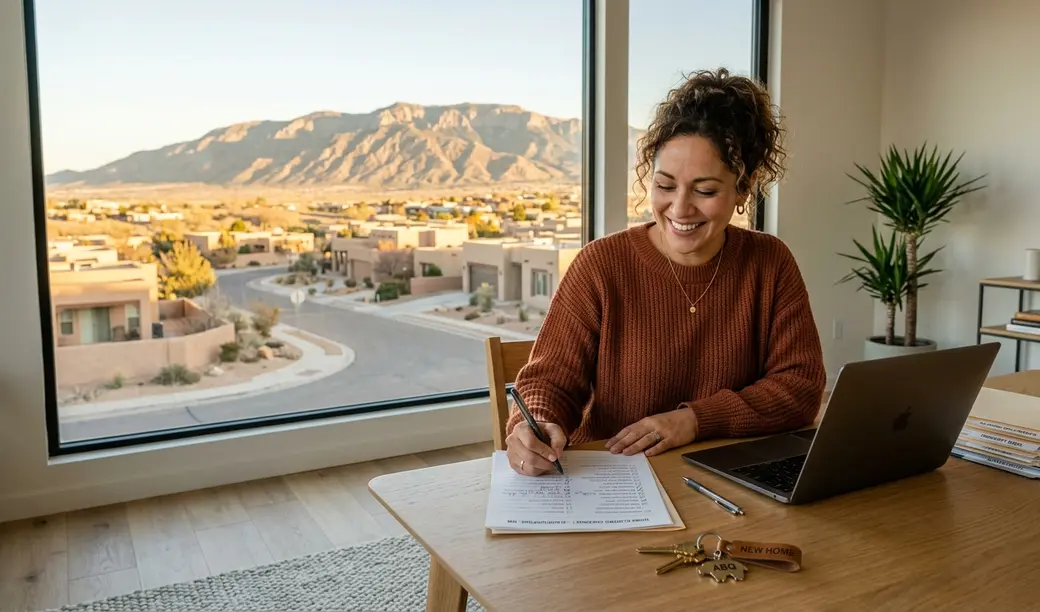
There is something exciting about getting close to closing day.
You've found the house.
Your offer was accepted.
You've made it through inspections, paperwork, negotiations, and probably more emails than you expected.
Now you're thinking about the fun stuff.
Where will the couch go?
What color should you paint the bedroom?
When can you finally start moving boxes in?
But before you get the keys, there are still a few important things to take care of.
The time between having your offer accepted and actually closing on your Albuquerque home can feel like a waiting game, but it is really a very important part of the process. This is when you want to make sure the financing is moving forward, the property is in the condition you expect, your paperwork is handled, and there are no last-minute surprises.
Whether you're buying your first home or you've been through the process before, having a simple checklist can make those final weeks feel much less overwhelming.
Here's what I recommend keeping on your radar before closing on your Albuquerque home.
Make Sure Your Financing Is Moving Forward
Once your offer is accepted, your lender still has plenty of work to do.
Your loan isn't necessarily finished just because you were pre-approved.
The lender may need updated financial documents, employment information, bank statements, tax documents, or other paperwork before the loan can receive final approval.
This is a good time to be especially careful about your finances.
Try not to make major purchases or take on new debt before closing. Buying a new car, opening a new credit card, or making large unexplained deposits can create questions for your lender at a time when you really don't need any extra complications.
If your lender asks for something, send it as quickly as you can.
It may feel like you're constantly uploading documents, but getting those items handled promptly can help keep the transaction moving.
Don't Make Big Financial Changes
This one is worth repeating because it's an easy mistake to make.
You've just bought a house, so naturally you're excited to start buying things for it.
Maybe you need a new refrigerator.
Maybe you found the perfect sectional.
Maybe you're already looking at a new car because your old one has seen better days.
If you can, wait.
Until the transaction is closed and your loan is finalized, it's best to keep your financial situation as stable as possible.
Your lender wants to see that the information used to approve your loan remains consistent through closing.
Your new house will still be there after you get the keys.
The new furniture can wait a little longer.
Complete Your Home Inspection
If you haven't already completed your inspection, this is an important step.
A home inspection gives you an opportunity to learn more about the condition of the property before you finalize the purchase.
In Albuquerque, buyers may want to pay particular attention to things such as the roof, HVAC system, plumbing, electrical systems, stucco, drainage, sewer lines, water heater, and other major components of the home.
That doesn't mean every older Albuquerque home has a problem.
It simply means that every home deserves a closer look.
No house is perfect.
The goal of an inspection isn't to find a reason to panic. It's to understand what you're buying so you can make informed decisions.
Review the Inspection Results Carefully
Getting an inspection report can feel overwhelming.
There may be pages of information, and some items may sound much scarier than they actually are.
Take your time.
Ask questions.
If the inspector recommends having a particular issue evaluated by a specialist, consider following up.
Your Realtor can also help you understand what options may be available under your contract if the inspection reveals significant concerns.
The important thing is not to ignore problems simply because you are excited about the house.
It's much better to understand what you're walking into before closing.
Get Your Homeowners Insurance in Place
Your lender will typically want proof of homeowners insurance before the loan can close.
Don't wait until the last minute to take care of this.
Start shopping for insurance early enough that you have time to compare coverage and costs.
Your insurance company may also ask questions about the age of the roof, electrical systems, plumbing, heating and cooling equipment, or other features of the property.
Having those details available can make the process easier.
And remember, the cheapest policy isn't necessarily the best policy.
You want coverage that makes sense for the home you're buying.
Stay in Touch With Your Lender
During this part of the process, your lender becomes one of the most important people on your team.
Don't be afraid to ask questions.
If you aren't sure what a document means, ask.
If you're unsure whether something could affect your loan, ask before doing it.
If you haven't heard an update in a while, check in.
It's much easier to deal with a potential issue when you know about it early.
Your lender should be able to tell you what is still outstanding and what needs to happen before you can receive final loan approval.
Review Your Closing Documents
Closing involves a lot of paperwork.
You will receive documents outlining the financial details of your purchase, including the purchase price, loan amount, interest rate, closing costs, credits, prepaid expenses, and other transaction details.
Take the time to review everything.
Don't feel like you have to sign something you don't understand.
If you have questions about the numbers or terms, ask your lender or the appropriate professional before signing.
This is your purchase.
You should understand what you're agreeing to.
Watch for Your Closing Disclosure
If you're financing your home, your lender will provide a Closing Disclosure with important information about your loan and closing costs.
Review it carefully.
Compare the numbers with what you were expecting.
Look at the loan amount, interest rate, monthly payment, closing costs, credits, and cash you'll need to bring to closing.
If something looks different from what you expected, don't wait until closing day to ask about it.
Give your lender time to explain and correct any issues that need attention.
Confirm Your Cash to Close
One of the last things you want is to be standing at closing wondering how much money you actually need.
Your lender and closing professionals should provide the amount required to close.
Make sure you understand where the money is coming from and how it needs to be delivered.
Be especially careful with wire instructions.
Real estate transactions are unfortunately targets for wire fraud, so never assume an email containing wiring instructions is legitimate. Independently verify the instructions using a trusted phone number for your title or closing company before sending funds.
It's a small step that can protect you from a very serious problem.
Do a Final Walkthrough
The final walkthrough is one of those moments that can feel like a formality, but it's worth taking seriously.
This is your opportunity to see the home shortly before closing and make sure it is generally in the condition you expect based on your agreement.
Walk through the house.
Open the doors.
Check the rooms.
Look at the agreed-upon repairs.
Make sure items that were supposed to stay with the home are still there.
You aren't performing another full home inspection.
You're simply making sure there haven't been unexpected changes since you last saw the property.
And honestly, it's also a pretty exciting moment.
This may be the last time you walk through the home before it officially becomes yours.
Check That Agreed-Upon Repairs Were Completed
If the seller agreed to make repairs, this is a good time to take a look.
Maybe a plumbing issue was addressed.
Maybe something with the HVAC was repaired.
Maybe the seller agreed to fix a safety concern.
Bring your paperwork or repair agreement with you so you know what you're checking.
If something doesn't appear to have been completed as agreed, let your Realtor know before closing.
Don't assume it will simply work itself out afterward.
Confirm Utilities and Services
Once you know your closing date, start arranging utilities for your new home.
Depending on the property, you may need to set up electricity, gas, water, trash service, internet, and other services.
Albuquerque buyers should also think about the practical details that come with owning a home in New Mexico.
If you're moving into a home with landscaping, find out what kind of maintenance it requires.
If there's a security system, ask how it works.
If you're buying a home with an HOA, make sure you understand the community's rules and any relevant fees.
These aren't the exciting parts of buying a home, but they make moving day much easier.
Start Planning Your Move
Now you can finally start thinking about the fun part.
Where are the boxes going?
Who is helping you move?
Do you need movers?
What needs to be packed first?
If you're selling another home, you'll also need to coordinate the timing between the two transactions.
This is where having a realistic timeline can save you a lot of stress.
Don't leave everything until the day before closing.
Start packing the things you don't use every day.
Label your boxes.
Get rid of things you don't want to move.
And keep the essentials somewhere easy to find.
Future-you will be grateful.
Keep Important Documents Together
During a real estate transaction, you're going to collect a lot of paperwork.
Keep important documents organized in one place so you can find them easily.
That might include your purchase agreement, inspection report, insurance information, lender documents, repair agreements, and closing paperwork.
Once you close, keep your final documents somewhere secure.
You may need them later for taxes, refinancing, selling the property, insurance, or simply for your own records.
Don't Forget the Little Things
The big items are easy to remember.
The little ones are what tend to get forgotten.
Things like changing your mailing address.
Updating your driver's license or other records when necessary.
Ordering a new set of keys if needed.
Finding out when trash pickup happens.
Learning where the water shutoff is.
Finding the electrical panel.
Knowing how the HVAC system works.
These aren't things that need to happen before you close, but knowing them early can make the first few days in your new home much easier.
Take a Breath
This might be the most important thing on the entire list.
Buying a home is a lot.
There are moments when it feels exciting and moments when it feels like there are too many details happening at once.
That's normal.
You don't have to know everything.
You just need to stay organized, communicate with your Realtor and lender, respond to requests promptly, and ask questions when something doesn't make sense.
Before you know it, you'll be standing at the closing table.
Then you'll get the keys.
And all those emails, inspections, signatures, and deadlines will suddenly feel worth it.
Final Thoughts
The final stretch before closing can feel like the longest part of buying a home.
You've already made the big decision, but you're not quite a homeowner yet.
This is the time to slow down, pay attention to the details, and make sure everything is in order.
Keep your finances stable.
Stay in touch with your lender.
Complete your inspections.
Review your documents.
Get your insurance in place.
Confirm your cash to close.
Do your final walkthrough.
And start getting ready for the move.
Most importantly, don't be afraid to ask questions.
There is no such thing as a silly question when you're buying a home.
You're making a major financial commitment, and you deserve to understand what is happening every step of the way.
And then, finally, comes the moment you've been waiting for.
The keys are in your hand.
The house is yours.
And your next chapter in Albuquerque is officially beginning.
Frequently Asked Questions
What should I do first after my offer is accepted?
Stay in close contact with your lender and Realtor. Your lender will continue working toward final loan approval, while your Realtor will help guide you through inspections, contract deadlines, and the remaining steps toward closing.
Should I avoid making large purchases before closing?
Yes. It is generally wise to avoid major purchases, opening new credit accounts, taking on additional debt, or making significant financial changes before closing unless you have discussed them with your lender.
What happens during the final walkthrough?
The final walkthrough gives you an opportunity to make sure the property is generally in the condition you expect, agreed-upon repairs have been addressed, and items included in the purchase are still present.
When should I get homeowners insurance?
It's best to start arranging homeowners insurance well before closing. Your lender will typically require proof of coverage before your loan can close.
What is a Closing Disclosure?
A Closing Disclosure is a document that provides important details about your mortgage and closing, including your loan terms, projected monthly payment, closing costs, and the amount of money you need to bring to closing.
How much money will I need at closing?
The amount varies depending on your purchase price, down payment, loan type, closing costs, prepaid expenses, credits, and other factors. Your lender should provide you with the amount required to close.
Should I do a final walkthrough before closing?
Yes. A final walkthrough is an important opportunity to make sure the home is in the expected condition and that agreed-upon repairs and included items have been addressed before you finalize the purchase.
What should I bring to closing?
Your closing or title company will tell you exactly what you need. This may include identification and other required documents. Follow their instructions carefully and confirm any questions before closing day.
What should I do if something is wrong during the final walkthrough?
Tell your Realtor immediately. They can help determine what steps should be taken based on the purchase agreement and the circumstances before closing.
When do I get the keys to my new Albuquerque home?
The timing can vary depending on the transaction and local closing procedures. Your closing professional or Realtor can tell you when the transaction is officially complete and when you can take possession of the property.
Categories
Recent Posts








GET MORE INFORMATION