
What Every Homebuyer Should Know About the Real Estate Process Start to Finish
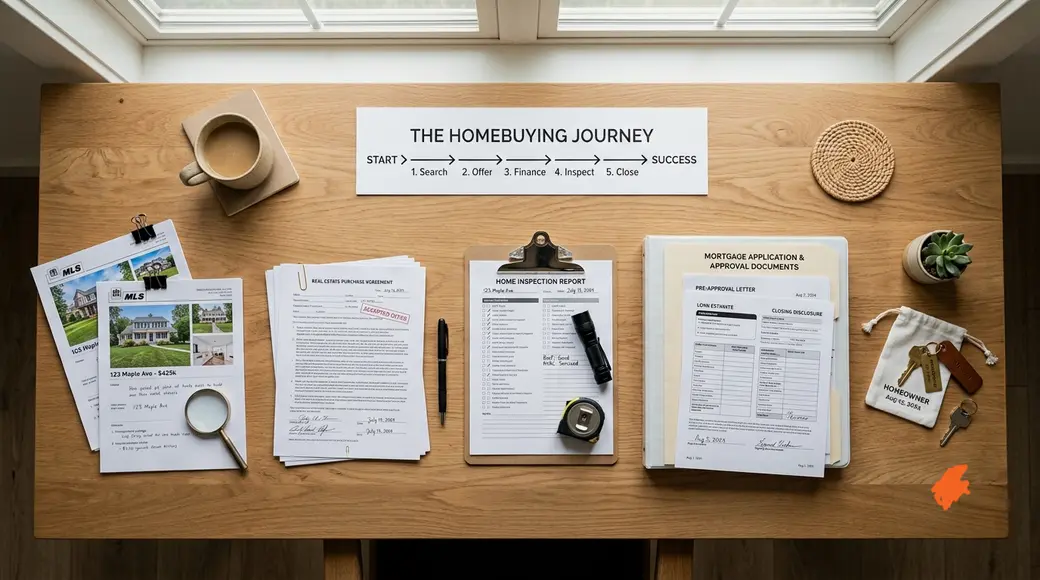
Buying a home is one of the biggest financial and personal decisions you'll ever make. It's exciting, but it can also feel overwhelming—especially if it's your first time.
Many buyers assume the process starts with looking at homes online. In reality, the most successful home purchases begin well before the first showing.
Understanding each step of the home buying journey can help you avoid surprises, reduce stress, and make informed decisions from beginning to end.
Whether you're a first-time buyer or it's been several years since your last purchase, this guide walks you through the home buying process from start to finish.
Step 1: Determine If You're Ready to Buy
Before browsing listings, take an honest look at your financial and personal situation.
Ask yourself:
- Is my income stable?
- Have I saved for a down payment?
- Do I have money set aside for closing costs and emergencies?
- Am I planning to stay in the area for several years?
- Am I ready for the responsibilities of homeownership?
Buying a home isn't just about qualifying for a mortgage. It's about feeling financially and personally prepared for long-term ownership.
Step 2: Define Your Budget
One of the biggest mistakes buyers make is shopping based on the maximum amount they can borrow rather than what they can comfortably afford.
When creating your budget, consider more than just the mortgage payment.
You'll also need to account for:
- Property taxes
- Homeowners insurance
- Utilities
- Maintenance and repairs
- HOA dues, if applicable
- Internet and other monthly services
Choosing a payment that fits comfortably within your lifestyle can help you enjoy your new home without unnecessary financial pressure.
Step 3: Meet With a Local Realtor Before You Start House Hunting
Many buyers think the first step is finding a lender.
While financing is important, meeting with a local Realtor before touring homes can make the entire process smoother.
A buyer consultation gives you the opportunity to:
- Understand how the buying process works
- Learn about current market conditions
- Discuss your goals and timeline
- Review neighborhoods that fit your lifestyle
- Understand what to expect from beginning to end
- Avoid common mistakes that first-time buyers often make
Your Realtor can also recommend trusted local lenders, inspectors, and other professionals you'll likely need throughout the transaction.
Starting with a knowledgeable real estate professional gives you a clear roadmap before you begin looking at homes.
Step 4: Get Pre-Approved for a Mortgage
Once you've discussed your goals and developed a plan, it's time to meet with a lender.
A mortgage pre-approval helps determine:
- How much you may qualify to borrow
- Your estimated monthly payment
- Available loan programs
- Your purchasing power
Being pre-approved also strengthens your position when you're ready to submit an offer.
Many sellers prefer working with buyers who have already completed this important step.
Step 5: Create Your Home Wish List
Now comes the fun part.
Before scheduling showings, make a list of:
Must-Haves
- Budget
- Location
- Number of bedrooms
- Home office
- Yard size
- School preferences
Nice-to-Haves
- Mountain views
- Updated kitchen
- Swimming pool
- Walk-in pantry
- Covered patio
Separating necessities from preferences helps you stay focused during your search.
Step 6: Start Touring Homes
This is where your planning begins to pay off.
As you tour homes, don't focus only on cosmetic details.
Pay attention to:
- Floor plan
- Storage
- Natural light
- Condition of major systems
- Neighborhood
- Commute
- Lot size
Take notes and photos after each showing.
After several tours, homes can begin to blend together.
Step 7: Compare Your Options Carefully
It's rare for the first home you see to be the perfect fit.
When comparing properties, ask yourself:
- Does this home meet my must-haves?
- Is it within my budget?
- Will it still fit my lifestyle in five years?
- How much work will it need?
- How does it compare with similar homes?
Remember, you're not looking for perfection.
You're looking for the home that best supports your goals.
Step 8: Make a Competitive Offer
Once you've found the right home, your Realtor will help you prepare an offer.
An offer typically includes:
- Purchase price
- Earnest money deposit
- Financing information
- Requested closing date
- Contingencies
- Additional terms
In a competitive Albuquerque market, the strongest offer isn't always the highest offer.
Sellers also consider financing strength, flexibility, and the overall likelihood of a successful closing.
Step 9: Negotiate the Contract
The seller may:
- Accept your offer
- Reject it
- Submit a counteroffer
Negotiations may involve:
- Purchase price
- Repairs
- Closing costs
- Closing timeline
- Personal property
Your Realtor will guide you through these discussions and help you understand your options before making decisions.
Step 10: Schedule the Home Inspection
Once your offer is accepted, you'll typically schedule a professional home inspection.
The inspection helps identify the home's overall condition and may uncover issues that weren't visible during a showing.
Common areas inspected include:
- Roof
- Plumbing
- Electrical
- HVAC
- Foundation
- Appliances
- Attic and crawl spaces
An inspection doesn't automatically mean something is wrong. Its purpose is to give you a clearer understanding of the property's condition so you can make informed decisions moving forward.
Step 11: Complete the Appraisal
If you're financing the purchase, your lender will typically order an appraisal.
The appraisal determines whether the home's market value supports the purchase price.
This protects both you and the lender by helping ensure you're not borrowing significantly more than the home's estimated value.
Step 12: Finalize Your Loan
During this stage, your lender will complete the underwriting process.
You may be asked to provide updated financial documents or answer additional questions.
To help keep your loan on track:
- Avoid opening new credit accounts.
- Don't make large purchases, such as a vehicle or furniture.
- Avoid changing jobs unless necessary.
- Continue paying your bills on time.
Keeping your financial situation stable until closing can help prevent unnecessary delays.
Step 13: Complete the Final Walkthrough
Shortly before closing, you'll have the opportunity to complete a final walkthrough.
This is your chance to confirm that:
- The home is in the agreed-upon condition.
- Negotiated repairs have been completed.
- Included appliances and fixtures remain with the property.
- No new issues have appeared since your inspection.
The walkthrough isn't another inspection—it's a final verification before ownership transfers.
Step 14: Closing Day
Closing day is when all the preparation comes together.
You'll review and sign the final documents, pay any remaining closing costs and down payment, and once everything has been finalized and recorded, ownership of the home officially transfers to you.
At that point, you'll receive the keys to your new home and begin your journey as a homeowner.
Life After Closing
Buying a home doesn't end on closing day.
Once you've moved in, you'll begin learning the routines of homeownership.
This includes:
- Setting up utilities.
- Creating a maintenance schedule.
- Updating your address.
- Building an emergency repair fund.
- Protecting your investment through regular upkeep.
Taking care of your home helps preserve its value and can reduce the likelihood of costly repairs down the road.
Common Mistakes to Avoid
Many buyers can make the process more difficult by:
- Looking at homes before understanding their budget.
- Skipping the buyer consultation.
- Forgetting to budget for closing costs.
- Letting emotions drive decisions.
- Making major financial changes during escrow.
- Focusing only on cosmetic features.
- Ignoring the neighborhood.
Being aware of these common pitfalls can help you navigate the process more confidently.
Final Thoughts
Buying a home may seem complicated at first, but when you break it down into manageable steps, the process becomes much easier to understand.
Preparation is the foundation of a successful home purchase. By understanding each stage—from planning and financing to inspections and closing—you'll be better equipped to make informed decisions and avoid unnecessary stress.
Whether you're purchasing your first home or returning to the market after several years, having knowledgeable professionals by your side and a clear understanding of the process can make all the difference.
The journey to homeownership isn't just about finding a house. It's about finding the right home, making confident decisions, and creating a place where your next chapter can begin.
Frequently Asked Questions
What is the first step in buying a home?
The first step is determining whether you're financially and personally ready for homeownership. From there, it's helpful to meet with a local Realtor to understand the process before getting pre-approved by a lender.
How long does the home buying process usually take?
The timeline varies, but from having an accepted offer to closing, many transactions take about 30 to 45 days. Finding the right home can take more or less time depending on your needs and the local market.
Do I need a pre-approval before looking at homes?
While it's possible to browse homes without one, getting pre-approved before seriously shopping helps you understand your budget and strengthens your offer when you find the right property.
What happens if the home inspection finds problems?
Most inspections uncover at least a few issues. Depending on the findings, buyers and sellers may negotiate repairs, credits, or other solutions before moving forward.
Can I buy a home without a Realtor?
Yes, but working with an experienced local Realtor can help you navigate contracts, negotiations, inspections, market conditions, and deadlines while reducing the risk of costly mistakes.
Categories
Recent Posts










GET MORE INFORMATION