
The Psychology Behind Buying a Home: Why People Choose Certain Properties
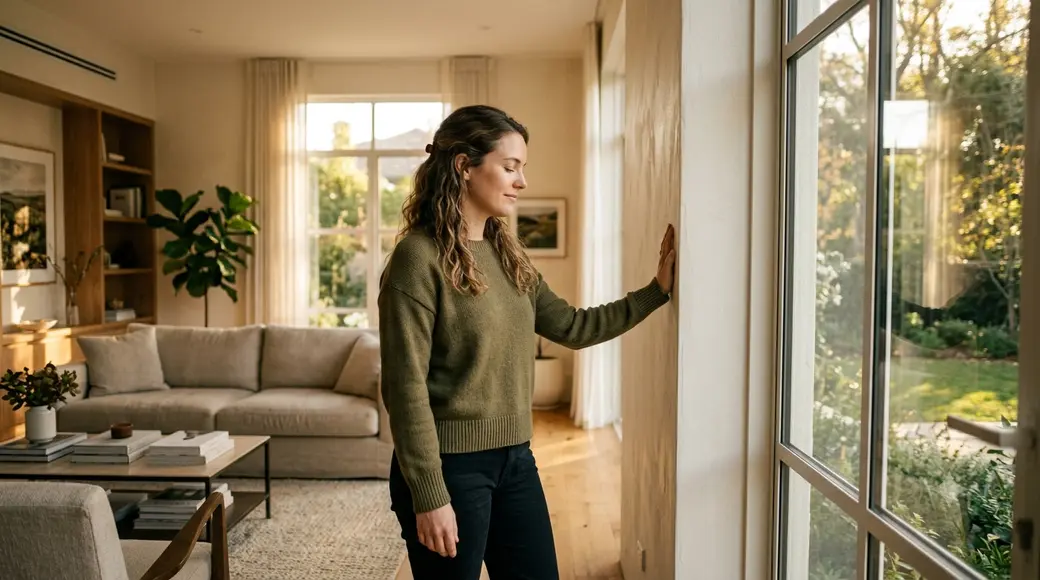
Buying a home is often described as one of the biggest financial decisions you'll ever make.
While that's certainly true, it's only part of the story.
The reality is that buying a home is just as much an emotional decision as it is a financial one.
Think about it. A home isn't simply a structure with four walls and a roof. It's where birthdays are celebrated, holidays are hosted, children grow up, pets become part of the family, and everyday memories are made. It's a place where people imagine their future, not just their next mortgage payment.
That's why two buyers can walk through the exact same property and have completely different reactions. One sees endless possibilities, while the other can't wait to leave.
Understanding the psychology behind homebuying can help you recognize what truly matters to you, avoid emotional pitfalls, and make a decision you'll feel confident about long after closing day.
Buying a Home Is Both Emotional and Logical
Many buyers like to believe they make decisions based entirely on facts.
They compare prices, calculate monthly payments, review inspection reports, and analyze neighborhoods.
Those things are important—but they're rarely the only reason someone chooses one home over another.
Research consistently shows that emotions play a major role in purchasing decisions. Once people feel emotionally connected to a home, they often use logic to justify why it makes sense.
That's why it's common to hear buyers say things like:
- "It just felt right."
- "I could picture my family living here."
- "I walked in and immediately knew."
Those emotional reactions are completely normal. The key is making sure they're balanced with practical considerations.
First Impressions Have a Powerful Impact
Have you ever walked into a home and instantly felt comfortable?
Or walked into another one and immediately wanted to leave?
Those reactions happen within seconds.
Psychologists refer to this as the primacy effect—our tendency to place significant weight on first impressions.
In real estate, first impressions can be influenced by:
- Curb appeal
- Landscaping
- The front entry
- Lighting
- Smell
- Cleanliness
- Natural light
- Overall maintenance
This is one reason sellers invest time in preparing their homes before listing. Buyers often begin forming opinions before they've even stepped through the front door.
People Buy a Lifestyle, Not Just a House
One of the biggest misconceptions about homebuying is that buyers purchase square footage.
In reality, they often purchase the lifestyle they imagine living.
A buyer isn't simply looking at a backyard.
They're imagining summer barbecues.
They're not just seeing a kitchen.
They're picturing family dinners and holiday baking.
A home office becomes a productive workspace.
A covered patio becomes the place where mornings begin with coffee.
A neighborhood park becomes where children learn to ride bikes.
Successful homebuyers recognize this emotional connection while also evaluating whether the property truly supports the lifestyle they want.
The Power of Visualization
When buyers tour a home, their brains naturally begin creating stories.
They imagine:
- Decorating for the holidays.
- Hosting family gatherings.
- Relaxing after work.
- Watching children play.
- Enjoying weekend mornings.
The easier it is to imagine daily life in a home, the stronger the emotional connection tends to become.
This is one reason professionally staged homes often appeal to buyers—they make it easier to visualize living there.
Familiarity Creates Comfort
People are naturally drawn to environments that feel familiar.
Someone who grew up in a quiet suburban neighborhood may feel most comfortable in a similar setting.
Another buyer who has always lived near restaurants and entertainment may prioritize a walkable neighborhood.
Past experiences often shape what feels like "home."
This is why there's no universal perfect property. Every buyer's background, experiences, and preferences influence what they're looking for.
Why Buyers Sometimes Fall in Love With the "Wrong" Home
Emotions can be incredibly powerful.
Sometimes buyers become attached to a home because of one standout feature, such as:
- A stunning kitchen.
- Incredible mountain views.
- A beautiful backyard.
- Historic charm.
- Luxury finishes.
When that happens, it's easy to overlook important concerns like:
- An impractical layout.
- A long commute.
- Costly maintenance.
- Limited storage.
- Future resale potential.
This is known as the halo effect—when one exceptional feature influences how we perceive everything else.
Recognizing this tendency can help you evaluate homes more objectively.
Fear of Missing Out (FOMO)
In competitive markets, buyers often experience the fear of missing out.
When a home receives multiple offers, buyers may begin thinking:
- "This is my only chance."
- "I'll never find another home like this."
- "I have to win."
FOMO can lead buyers to:
- Offer more than they planned.
- Waive important protections.
- Ignore red flags.
- Stretch beyond their budget.
While it's natural to feel disappointed when you lose out on a home, remember that another opportunity will come along.
The goal isn't simply to win a bidding war—it's to buy the right home for your needs.
Confirmation Bias Can Influence Decisions
Once buyers begin favoring a particular property, they often focus on information that supports their choice while minimizing anything that doesn't.
For example, they may emphasize the updated kitchen while overlooking the aging roof or foundation concerns.
This is called confirmation bias, and it can make it difficult to evaluate a property objectively.
That's why inspections, comparable sales, and advice from experienced professionals remain essential.
Why Location Often Wins in the Long Run
During showings, buyers naturally focus on the home itself.
But after moving in, daily life is influenced just as much by the surrounding neighborhood.
Over time, people often realize that:
- A shorter commute matters.
- Nearby parks are valuable.
- Access to shopping is convenient.
- Quiet streets improve quality of life.
Unlike cosmetic updates, location cannot be changed.
That's why experienced buyers often prioritize neighborhoods before finishes.
Decision Fatigue Is Real
House hunting sounds exciting—and it is.
But after viewing dozens of homes, buyers often experience decision fatigue.
Suddenly every kitchen looks the same.
Every floor plan begins to blur together.
Every decision feels harder than the last.
To reduce decision fatigue:
- Revisit your must-have list.
- Limit unnecessary showings.
- Take notes after every tour.
- Compare homes objectively.
- Take breaks when needed.
Sometimes clarity comes from stepping away for a day rather than seeing another five homes.
Why Logic Still Matters
While emotions are an important part of buying a home, they shouldn't be the only factor.
Before making an offer, ask yourself:
- Does this home fit my budget?
- Will it support my lifestyle for years to come?
- Is the location right?
- Am I overlooking costly repairs?
- Would I still choose this home after removing the emotional excitement?
Balancing emotion with practical thinking helps you make a decision you'll feel confident about.
The Role of a Local Real Estate Expert
One of the biggest advantages of working with an experienced Albuquerque Realtor is having someone who can help balance excitement with objectivity.
A real estate professional can help you:
- Compare homes fairly.
- Recognize emotional biases.
- Evaluate market value.
- Analyze neighborhood trends.
- Keep your long-term goals in focus.
Having an objective guide can make the difference between making an emotional purchase and making a smart investment.
Final Thoughts
Buying a home is never just about bedrooms, bathrooms, or square footage.
It's about finding a place where your life unfolds.
Emotions are a natural and important part of that process. They help you recognize when a house feels like home.
But the most successful buyers don't rely on emotion alone. They combine that emotional connection with careful planning, financial discipline, and thoughtful evaluation.
When you understand the psychology behind homebuying, you're better equipped to recognize the difference between excitement and true long-term fit.
The best home isn't always the one that creates the strongest first impression.
It's the one that continues to support your lifestyle, your goals, and your happiness long after move-in day.
Frequently Asked Questions
Is buying a home an emotional decision?
Yes. While finances play a major role, emotions often influence which homes buyers are most attracted to.
Why do I instantly like some homes more than others?
First impressions, natural light, layout, design, familiarity, and the ability to picture yourself living there all contribute to emotional attraction.
How can I avoid making an emotional mistake?
Create a list of must-haves, stick to your budget, compare homes objectively, and work with an experienced real estate professional who can provide guidance.
What is the biggest psychological mistake homebuyers make?
Many buyers allow excitement or fear of missing out (FOMO) to override practical considerations like budget, condition, or location.
Why is location more important than cosmetic features?
Cosmetic updates can often be changed over time, but the neighborhood, commute, schools, and surrounding amenities are permanent aspects of the property.
Categories
Recent Posts









GET MORE INFORMATION