
The Complete Guide to Understanding Home Equity
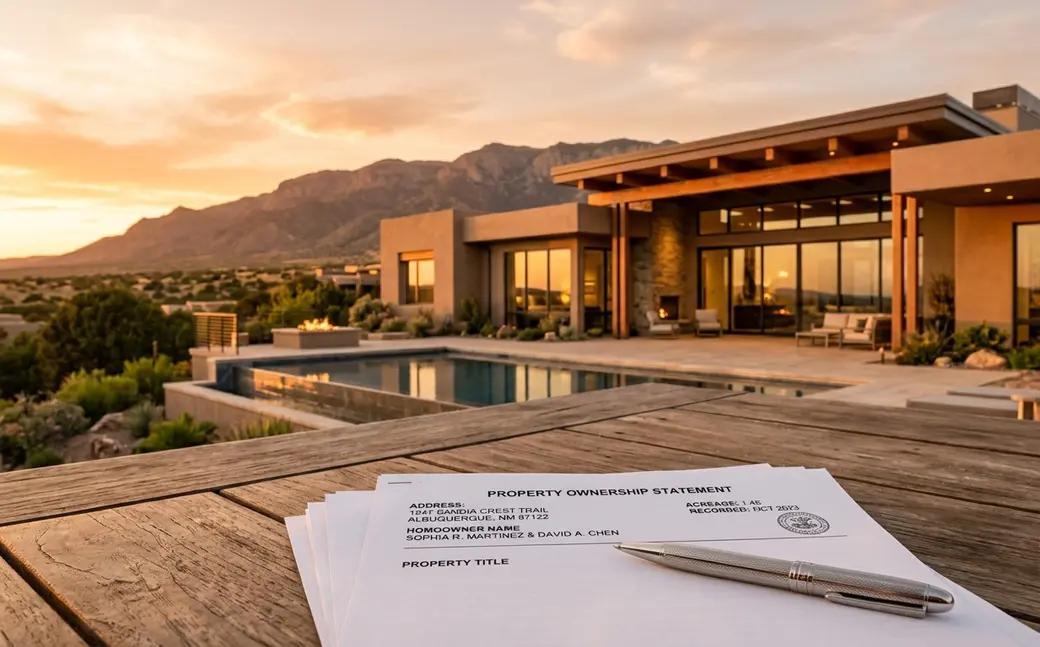
If you’ve been thinking about buying a home—or you already own one—you’ve probably heard the term home equity.
It gets mentioned in conversations about wealth building, refinancing, and long-term financial planning. But for many homeowners, it still feels a little unclear.
What exactly is home equity?
How do you build it?
And why does it matter so much in real estate?
The truth is, home equity is one of the most important financial benefits of owning a home. It’s also one of the simplest concepts once it’s broken down clearly.
Let’s walk through it step by step.
What Is Home Equity?
Home equity is the portion of your home that you truly own.
In simple terms:
Home equity = Current market value of your home – what you still owe on your mortgage
For example:
- Your home is worth $400,000
- You still owe $250,000 on your mortgage
- Your equity is $150,000
That $150,000 represents your ownership stake in the property.
Unlike money sitting in a bank account, equity is tied to your home’s value and your loan balance.
How Home Equity Builds Over Time
Home equity doesn’t usually grow in one single way. It builds gradually through two main factors.
1. Paying Down Your Mortgage
Each mortgage payment typically includes two parts:
- Principal (reduces your loan balance)
- Interest (cost of borrowing money)
As you pay down the principal over time, your loan balance decreases. That automatically increases your equity.
At the beginning of a mortgage, progress feels slow. Over time, more of each payment goes toward principal, and equity builds faster.
2. Home Value Appreciation
The second way equity grows is through appreciation—your home increasing in value over time.
In a market like Albuquerque, appreciation is influenced by:
- Neighborhood demand
- Inventory levels
- Local development
- School districts
- Economic growth
- Overall buyer demand
If your home increases in value while your mortgage balance stays the same or decreases, your equity grows.
A Simple Example of Equity Growth
Let’s look at a realistic timeline:
Year 1
- Home value: $350,000
- Mortgage balance: $330,000
- Equity: $20,000
Year 5
- Home value: $390,000
- Mortgage balance: $300,000
- Equity: $90,000
Year 10
- Home value: $450,000
- Mortgage balance: $250,000
- Equity: $200,000
Over time, equity grows from both directions—decreasing debt and increasing value.
Why Home Equity Matters
Home equity is more than just a number. It plays a major role in your financial flexibility.
Here’s why it matters:
It Builds Long-Term Wealth
For many homeowners, equity becomes one of their largest financial assets.
Unlike rent payments, which do not return value, mortgage payments can build ownership over time.
It Can Help You Move Up or Move Forward
When you sell a home, your equity (minus selling costs) often becomes your down payment for your next home.
This is how many homeowners “move up” into larger or more expensive properties over time.
It Can Be Used as a Financial Resource
In some cases, homeowners may access equity through:
- Home equity loans
- Home equity lines of credit (HELOCs)
- Cash-out refinancing
These options allow homeowners to use equity for things like:
- Home improvements
- Debt consolidation
- Major expenses
- Investment opportunities
However, using equity should always be done carefully, since your home is used as collateral.
What Affects Home Equity Growth?
Not all homes build equity at the same rate. Several factors influence growth.
1. Location
Homes in desirable neighborhoods tend to hold and grow value more consistently.
In Albuquerque, location factors may include:
- School districts
- Proximity to work and amenities
- Neighborhood demand
- Future development
2. Market Conditions
Real estate markets naturally fluctuate.
In strong markets, home values may rise faster. In slower markets, equity growth may depend more on mortgage paydown.
3. Condition of the Home
Well-maintained homes tend to preserve value better over time.
Neglecting repairs can slow or reduce equity growth.
4. Length of Ownership
Time is one of the most important factors.
The longer you own a home, the more opportunity you have to:
- Pay down your loan
- Benefit from appreciation
- Build meaningful equity
Common Misunderstandings About Home Equity
Many homeowners misunderstand how equity works.
Let’s clear up a few common misconceptions.
“My home’s value is my equity”
Not quite.
Your equity is your home’s value minus what you owe, not the full value of the home.
“Equity is guaranteed to increase”
Not always.
Home values can go up or down depending on market conditions.
“I only build equity when I sell”
You build equity continuously as you pay down your mortgage and as your home value changes.
Selling simply allows you to access it.
How to Build Equity Faster
While equity growth naturally happens over time, there are ways homeowners can potentially build it faster.
Make Extra Mortgage Payments
Even small additional payments toward principal can reduce your loan balance faster.
Choose a Strong Location
Location often has the biggest long-term impact on appreciation.
Improve the Home Strategically
Certain improvements may increase value, especially when focused on functionality and curb appeal.
Avoid Overpaying at Purchase
Equity starts the day you buy the home. Buying at a reasonable price helps set you up for stronger long-term growth.
Equity vs. Cash: Understanding the Difference
It’s important to understand that equity is not the same as cash in hand.
Equity is:
- Tied to your home
- Based on market value
- Not immediately liquid
To access equity, you usually need to sell, refinance, or borrow against it.
Equity in Albuquerque’s Market
In Albuquerque, home equity growth often depends on long-term ownership and neighborhood selection.
Because the market includes a mix of older established areas and newer developments, equity growth can vary widely between homes.
Buyers who focus on:
- Strong locations
- Good condition properties
- Sustainable price points
often see more stable long-term equity growth.
Final Thoughts
Home equity is one of the most powerful financial benefits of homeownership, but it’s often misunderstood.
At its core, it’s simple:
You build equity by paying down your mortgage and allowing your home to grow in value over time.
What makes equity powerful is not just how it works, but what it represents—a growing share of ownership in a valuable asset.
Whether you’re buying your first home in Albuquerque or already a homeowner, understanding equity helps you make smarter decisions about when to buy, how long to stay, and how to plan for your financial future.
Real estate doesn’t build wealth overnight. It builds it gradually, through time, consistency, and thoughtful decisions.
And equity is at the center of all of it.
Frequently Asked Questions
What is home equity in simple terms?
Home equity is the difference between what your home is worth and what you still owe on your mortgage.
How do I build equity in my home?
You build equity by paying down your mortgage and through increases in your home’s value over time.
Can I lose home equity?
Yes. If home values decrease or if you take on additional debt against your home, equity can go down.
Can I use my home equity without selling?
Yes. Homeowners may access equity through loans, HELOCs, or refinancing, depending on eligibility.
Why is home equity important?
Home equity represents ownership and can be a major source of long-term wealth and financial flexibility.
Categories
Recent Posts







GET MORE INFORMATION