
How to Compare Two Albuquerque Homes When You Like Them Both
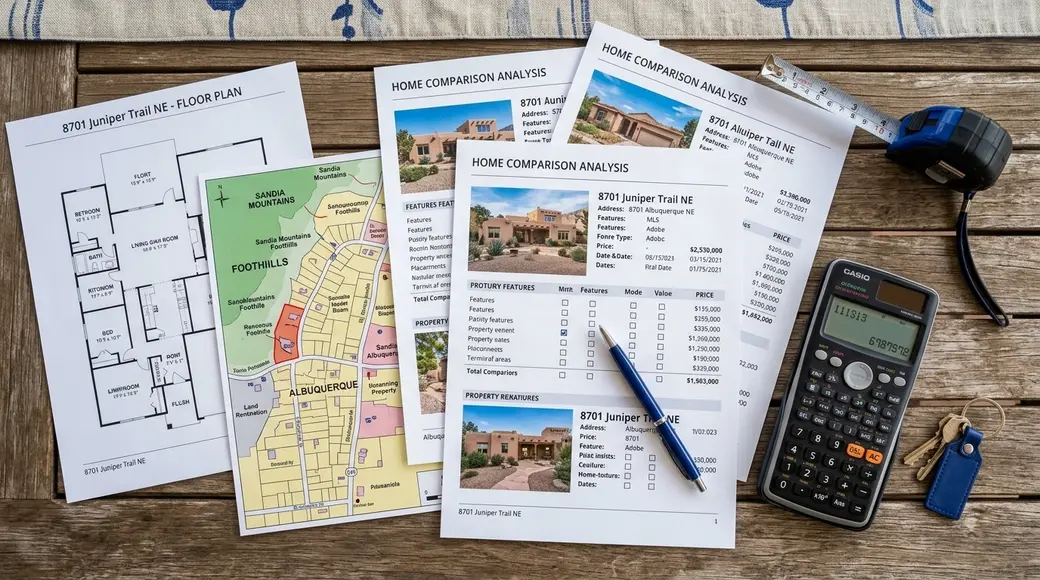
Finding one home you love is exciting. Finding two homes you love at the same time can be a completely different kind of problem.
Maybe one has the kitchen you wanted, while the other has the backyard. One might be in your favorite neighborhood, while the other gives you more space for your money.
When two homes both look good on paper, it helps to step back and compare them based on what will actually matter after you move in.
Start With Your Must-Haves
Before comparing the homes, go back to the things you originally said you needed.
How many bedrooms do you need? Is a garage important? Do you want a certain school area, commute, yard, or amount of storage?
It is easy to start making excuses for a home once you really like it. A feature that was a "must-have" at the beginning can suddenly become a "we can probably live without it."
That is why your original list can be a helpful reality check.
Compare the Locations
You can change a lot about a house. You cannot move its location.
Look at where each home sits in relation to your work, family, shopping, restaurants, parks, schools, and the other places you visit regularly.
Think about your actual daily routine, not just what looks good on a map. A home that is a little farther away may not seem like a big deal until you are making that drive every morning.
Look Beyond the Listing Photos
Photos can make a home look fantastic, but they do not tell you everything.
Pay attention to the layout, room sizes, natural light, storage, noise, outdoor space, and how the house feels when you are actually standing inside it.
If possible, walk through both homes more than once. Sometimes the things you notice on the second visit are very different from what caught your attention the first time.
Compare the Condition
Two homes can have similar prices but very different future costs.
One may be updated and ready to go, while the other needs new flooring, paint, appliances, or larger repairs. Neither is automatically the wrong choice, but you should understand what you are taking on.
Look beyond the pretty finishes and consider the age and condition of major systems and components as well.
Think About the Monthly Cost
Do not compare homes based only on the purchase price.
Think about the estimated monthly payment, property taxes, homeowners insurance, HOA fees if applicable, utilities, and the maintenance each property may require.
A slightly less expensive home is not necessarily less expensive to own if it needs significant work right away.
Looking at the bigger financial picture can help you see the difference between the two homes more clearly.
Compare the Things You Cannot Change
This is one of the easiest ways to narrow down your choices.
You can paint walls, change light fixtures, replace flooring, and update a kitchen over time. But you cannot easily change the lot, location, neighborhood, floor plan, or size of the property.
If one home has a better location but the other has nicer countertops, think about which difference will matter more to you five years from now.
Picture an Ordinary Tuesday
Forget the excitement of moving day for a minute.
Picture yourself living in each home on a normal Tuesday.
Where do you park? How long is your commute? Where do you put groceries? Is there enough room for your morning routine? Where will the kids do homework? Where will the dog go? Is the backyard actually useful?
The everyday details can tell you more than the things that initially caught your eye.
Think About Resale Without Making It Everything
Even if you plan to stay in the home for many years, it is reasonable to think about what might happen when you eventually sell.
Location, layout, condition, lot size, and other features can affect future appeal.
You do not need to choose a home based entirely on resale value. You are buying a home to live in, after all. But it is worth considering whether one property has characteristics that could make it easier to sell down the road.
Give Yourself Permission to Walk Away From One
Sometimes buyers feel like they have to choose between the two because they already spent so much time looking.
You don't.
If neither home truly fits your needs or budget, there is nothing wrong with continuing your search.
And if both are good options, remember that you are not necessarily looking for the "perfect" house. You are looking for the home that makes the most sense for your life.
Make a Side-by-Side Comparison
When your thoughts start getting jumbled, write everything down.
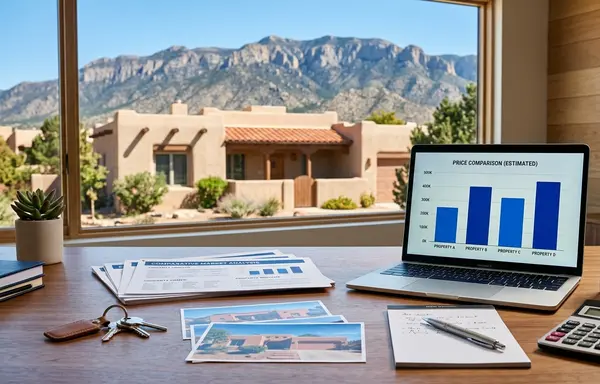
Put the two homes side by side and compare the things that matter to you: price, location, size, condition, layout, outdoor space, monthly costs, commute, and your must-have features.
Then look at the list again after the excitement wears off.
Sometimes seeing everything in front of you makes the decision much clearer.
Trust the Numbers, But Pay Attention to How You Feel
Buying a home is both a financial decision and a personal one.
You should absolutely look at the numbers and make sure the home fits your budget. But you should also pay attention to how you feel when you are there.
Can you picture yourself living there? Does the layout work for your daily life? Can you imagine staying there for several years?
When you combine the practical details with how the home actually fits your life, choosing between two Albuquerque homes can become a lot easier.
FAQ
What should I compare when choosing between two homes?
Start with the things that are hardest to change, such as location, layout, lot, size, and neighborhood. Then compare price, condition, monthly costs, and the features that matter most to you.
Should I choose the cheaper home?
Not necessarily. The less expensive home may need more repairs or have higher ongoing costs. Look at the total cost of owning each home rather than just the purchase price.
How many times should I visit a home before making a decision?
There is no set number. If you are seriously considering two properties, another walkthrough can be helpful. You may notice things you missed during the first visit.
Should I choose the home with more upgrades?
Not always. Upgrades are nice, but they may not matter as much as location, layout, lot size, or other features you cannot easily change.
What if I still cannot decide between the two homes?
Talk through the differences with your Realtor and go back to your original priorities. If both homes meet your needs, consider which one fits your budget, lifestyle, and longer-term plans more comfortably.
Categories
Recent Posts

GET MORE INFORMATION