
How to Read Real Estate Market Trends Like a Pro
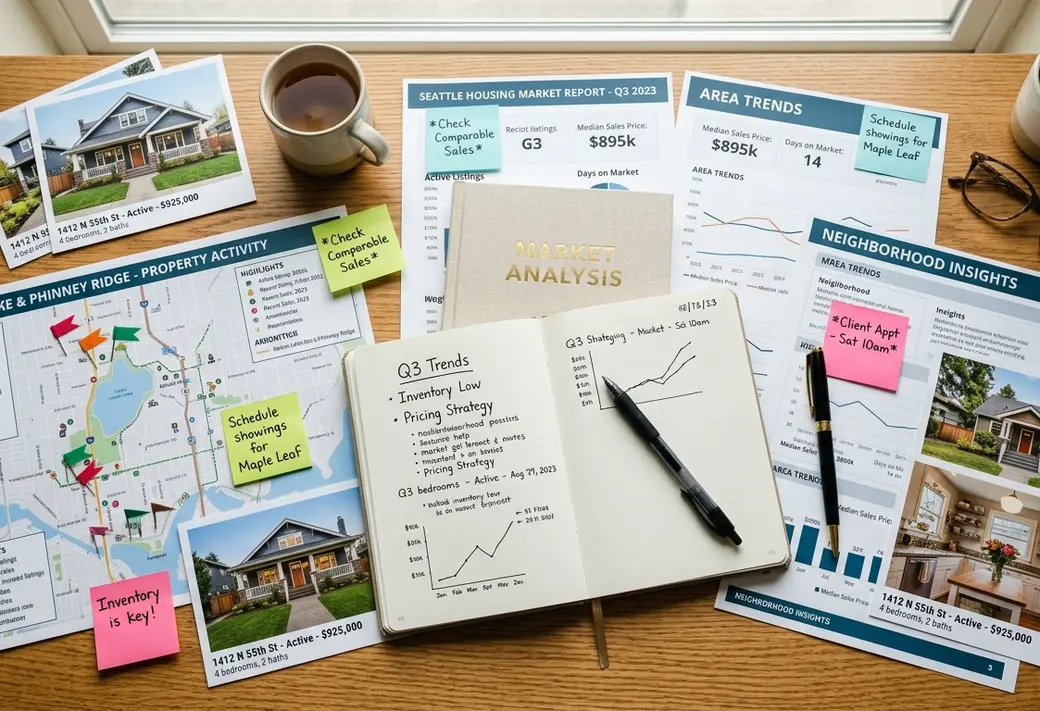
If you've ever watched the news or scrolled through social media, you've probably seen headlines like:
"Home prices are soaring."
"Mortgage rates are falling."
"The housing market is slowing down."
While these headlines grab attention, they rarely tell the full story.
The real estate market is much more complex than a single statistic or headline. What's happening nationally isn't always what's happening in your local community, and what's true in one neighborhood may not be true just a few miles away.
If you're planning to buy or sell a home in Albuquerque, learning how to read real estate market trends can help you make more informed decisions and avoid reacting to misleading information.
You don't need to be an economist to understand the housing market—you just need to know which numbers matter and what they actually mean.
Why Market Trends Matter
Real estate is constantly changing.
Buyer demand shifts.
Mortgage rates fluctuate.
Inventory rises and falls.
Home prices move up and down.
Understanding these trends doesn't help you predict the future with certainty, but it does help you recognize what's happening today so you can make decisions based on facts instead of assumptions.
Whether you're buying your first home, upgrading, downsizing, or selling, knowing how to interpret the market gives you a significant advantage.
Start With Inventory
One of the most important indicators of any housing market is inventory.
Inventory simply refers to the number of homes currently available for sale.
Generally speaking:
Low Inventory
When fewer homes are available:
- Buyers have fewer choices.
- Competition often increases.
- Multiple-offer situations become more common.
- Sellers typically have more negotiating power.
High Inventory
When more homes are available:
- Buyers have more options.
- Homes may stay on the market longer.
- Sellers may need to price more competitively.
- Buyers often gain additional negotiating power.
Inventory helps explain why similar homes may sell quickly one year and take much longer the next.
Watch the Number of New Listings
New listings tell you how many homes are entering the market.
If new listings begin increasing significantly, buyers often gain more choices.
If fewer homeowners decide to sell, inventory can remain tight even if buyer demand stays the same.
New listings often influence market conditions before other statistics do.
Understand Days on Market (DOM)
Days on Market measures how long homes typically remain available before going under contract.
This number tells you a great deal about buyer activity.
Fewer Days on Market
Usually indicates:
- Strong buyer demand
- Competitive conditions
- Well-priced homes selling quickly
More Days on Market
May indicate:
- Slower buyer activity
- Increased inventory
- More negotiation opportunities
- Overpriced listings
It's important to remember that every neighborhood has its own average timeline.
Don't Focus Only on Home Prices
Many people judge the market solely by asking:
"Are prices going up or down?"
While price trends matter, they don't tell the entire story.
Instead, consider:
- Median sales price
- Average sales price
- Price per square foot
- Appreciation trends over several years
Looking at long-term trends is usually more meaningful than reacting to month-to-month fluctuations.
Learn the Difference Between List Price and Sale Price
Another useful metric is how close homes sell to their asking price.
If homes are regularly selling:
- At asking price
- Above asking price
…it often signals strong buyer demand.
If homes consistently sell below asking price, buyers may have greater negotiating power.
This statistic can help buyers develop realistic offer strategies and help sellers price their homes appropriately.
Pay Attention to Mortgage Rates
Mortgage rates have a major impact on affordability.
Even small changes can significantly affect a buyer's monthly payment.
Higher rates may:
- Reduce purchasing power
- Slow buyer demand
- Increase negotiation opportunities
Lower rates often:
- Increase affordability
- Bring more buyers into the market
- Increase competition
Rates don't just influence buyers—they also affect sellers because they shape the size of the buyer pool.
Understand Supply and Demand
At its core, every real estate market comes down to supply and demand.
High Demand + Low Supply
Usually leads to:
- Faster sales
- Higher prices
- Competitive offers
Low Demand + High Supply
Usually creates:
- Slower sales
- More negotiations
- Increased buyer leverage
This balance changes throughout the year and from one neighborhood to another.
Look Beyond National Headlines
One of the biggest mistakes buyers and sellers make is assuming national news reflects their local market.
For example:
A national headline may report declining home prices.
Meanwhile, Albuquerque neighborhoods could still be experiencing steady demand and stable appreciation.
Real estate is local.
Even within Albuquerque, market conditions can vary between:
- Northeast Heights
- North Valley
- West Side
- Downtown
- Foothills
- New construction communities
That's why local data is often far more valuable than national averages.
Seasonal Trends Matter Too
Housing activity naturally changes throughout the year.
Spring and early summer often bring:
- More listings
- More buyers
- Increased competition
Fall and winter may bring:
- Fewer buyers
- Less competition
- More negotiation opportunities
These seasonal shifts are normal and shouldn't automatically be viewed as signs of a changing market.
Watch for Price Reductions
An increase in price reductions can signal that:
- Sellers initially priced too high.
- Buyer demand has softened.
- Homes are taking longer to sell.
However, a few price reductions don't necessarily mean the market is weak.
The context always matters.
Months of Inventory: One of the Best Market Indicators
One of the most useful statistics professionals watch is months of inventory.
This measures how long it would take to sell all available homes if no new listings came onto the market.
Generally:
- Less than 4 months often favors sellers.
- Around 4–6 months is considered more balanced.
- More than 6 months may favor buyers.
This metric combines both supply and buyer demand into a single, easy-to-understand number.
Look at Trends, Not One Month of Data
Markets naturally fluctuate.
One month of rising prices—or one month of slowing sales—doesn't necessarily indicate a long-term trend.
Instead, compare:
- Quarter over quarter
- Year over year
- Multi-year appreciation
Looking at longer periods provides a more accurate picture of where the market is heading.
Work With Local Market Data
If you're buying or selling in Albuquerque, the most valuable information comes from local market reports.
A knowledgeable local Realtor can help you understand:
- Neighborhood-specific trends
- Average sale prices
- Current inventory
- Buyer demand
- Pricing strategies
- Market conditions for your specific area
This information is far more useful than relying solely on national headlines.
Common Mistakes When Reading Market Trends
Many people misinterpret housing data because they:
- Focus on one statistic instead of the overall picture.
- Assume national trends apply locally.
- React emotionally to headlines.
- Ignore neighborhood differences.
- Try to perfectly time the market.
- Make decisions based on short-term changes.
Successful buyers and sellers look at multiple indicators before making important decisions.
Final Thoughts
Reading real estate market trends isn't about predicting exactly what will happen next.
It's about understanding what's happening now.
When you learn how inventory, pricing, mortgage rates, days on market, and buyer demand work together, you'll begin to see the market more clearly.
For Albuquerque buyers and sellers, local trends matter far more than national headlines. Every neighborhood has its own story, and understanding those details can help you make smarter, more confident real estate decisions.
The more informed you are, the better prepared you'll be—whether you're buying your first home, selling your current one, or simply keeping an eye on the market for the future.
Frequently Asked Questions
What is the most important real estate market trend to watch?
Inventory is one of the most important indicators because it directly affects competition, pricing, and negotiating power.
Do national housing trends apply to Albuquerque?
Not always. Real estate is highly local, and Albuquerque's market can perform differently from national averages.
What does Days on Market tell buyers?
It shows how quickly homes are selling, which helps buyers understand market demand and competition.
Why do mortgage rates affect the housing market?
Mortgage rates influence affordability. When rates rise or fall, buyers' purchasing power changes, which can impact demand.
Can I predict the housing market by watching trends?
No one can predict the market with certainty. Market trends are best used to understand current conditions and make informed decisions—not to guarantee future outcomes.
Categories
Recent Posts










GET MORE INFORMATION