
How Technology Is Changing the Way People Buy and Sell Homes
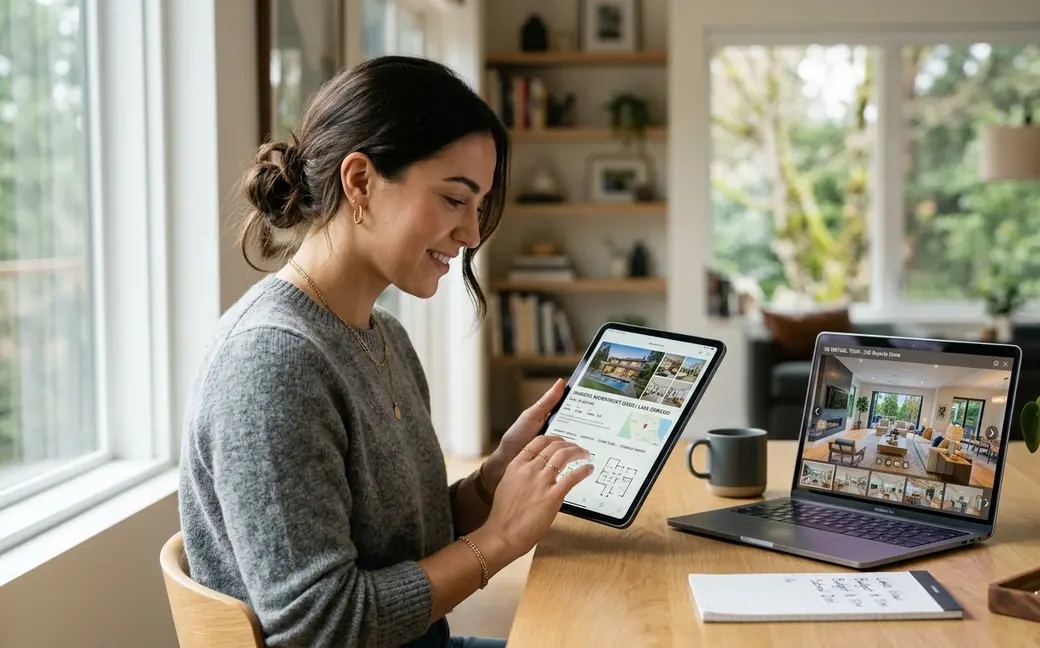
Not long ago, buying or selling a home looked very different than it does today.
Buyers relied on newspaper ads and printed listing books to find available homes. If you wanted to see a property, you called a real estate agent and hoped it was still available. Sellers depended heavily on yard signs, flyers, and weekend open houses to attract buyers.
Today, much of that process has moved online.
With just a smartphone or laptop, buyers can browse hundreds of listings, take virtual tours, compare neighborhoods, estimate monthly payments, and even sign contracts electronically.
Technology has transformed nearly every step of the real estate journey, making it faster, more convenient, and more transparent than ever before.
But while technology has made buying and selling homes easier in many ways, it hasn't replaced the importance of local expertise, human relationships, and professional guidance.
Let's take a closer look at how technology is changing real estate—and why people still matter.
The Home Search Now Starts Online
Years ago, buyers often met with a Realtor before seeing what was available on the market.
Today, the process usually begins online.
Most buyers spend weeks—or even months—researching homes before scheduling their first showing.
Online real estate platforms allow buyers to:
- Search homes by price
- Filter by bedrooms and bathrooms
- Explore neighborhoods
- Save favorite properties
- Receive listing alerts
- Compare homes side by side
This gives buyers more information than ever before and allows them to narrow their search before stepping inside a home.
However, online listings only tell part of the story. Photos, descriptions, and automated property details can't fully capture a home's condition, layout, or neighborhood feel.
Virtual Tours Make Home Shopping More Convenient
One of the biggest advances in real estate technology is the rise of virtual tours.
Instead of relying on static photos, buyers can now:
- Walk through homes online
- View 3D floor plans
- Explore room layouts
- Understand how spaces connect
For buyers relocating to Albuquerque from another city or state, virtual tours are especially valuable.
They help narrow down options before traveling and make long-distance home shopping much more manageable.
While virtual tours don't replace seeing a home in person, they help buyers spend their time more efficiently.
Digital Signatures Have Simplified Transactions
Buying or selling a home involves a significant amount of paperwork.
In the past, contracts often required multiple in-person meetings and stacks of printed documents.
Today, many real estate documents can be reviewed and signed electronically.
Digital signatures allow buyers and sellers to:
- Review contracts from anywhere
- Sign documents securely
- Submit paperwork quickly
- Reduce delays during the transaction
This is especially helpful for busy professionals, military families, and buyers relocating from out of state.
Mobile Apps Keep Buyers Connected
Real estate no longer happens only during business hours.
Mobile apps allow buyers to:
- Receive instant notifications about new listings
- Save favorite homes
- Track price changes
- Communicate with their Realtor
- Schedule showings quickly
Because desirable homes can sell quickly in Albuquerque's competitive market, receiving timely updates can make a meaningful difference.
AI Is Changing the Way Buyers Search
Artificial intelligence is becoming an increasingly common part of the home search experience.
Many real estate websites now use AI to:
- Recommend homes based on browsing history
- Suggest similar properties
- Personalize search results
- Estimate buyer preferences
These tools can save time by highlighting homes that match a buyer's interests.
However, AI recommendations aren't perfect.
They don't always understand personal priorities such as neighborhood atmosphere, commute preferences, or long-term lifestyle goals.
That's where conversations with an experienced local Realtor remain invaluable.
Sellers Benefit From Better Marketing
Technology has dramatically expanded how homes are marketed.
Today's listings often include:
- Professional photography
- Drone images
- Video walkthroughs
- Interactive floor plans
- Social media promotion
- Online advertising
Instead of relying on local exposure alone, sellers can now reach buyers across the country—and sometimes around the world.
This broader visibility can generate more interest and, in some cases, stronger offers.
Data Helps Buyers and Sellers Make Better Decisions
One of the greatest advantages of modern technology is access to information.
Buyers can research:
- Market trends
- Comparable home sales
- Neighborhood information
- School ratings
- Estimated commute times
- Property tax history
Sellers can monitor:
- Buyer demand
- Inventory levels
- Average days on market
- Pricing trends
Having access to this information helps people make more informed decisions than ever before.
Technology Speeds Up Communication
Real estate transactions involve many people:
- Buyers
- Sellers
- Real estate agents
- Lenders
- Inspectors
- Appraisers
- Title companies
Technology makes communication faster through:
- Text messaging
- Video calls
- Secure document sharing
- Transaction management platforms
This often reduces delays and keeps everyone informed throughout the process.
Online Mortgage Tools Simplify Financing
Many lenders now offer digital tools that allow buyers to:
- Get pre-approved online
- Upload financial documents securely
- Track loan progress
- Calculate monthly payments
- Compare loan options
These tools have made financing more convenient while reducing paperwork and processing time.
Technology Can't Replace Local Knowledge
Despite all these advancements, technology has limits.
A website can tell you:
- Square footage
- Lot size
- Asking price
- Number of bedrooms
But it can't always tell you:
- How the neighborhood feels in the evening
- Which streets are especially popular with buyers
- Where future development is planned
- Whether a home's layout works well in person
- How competitive a property is likely to be
These insights often come from local experience rather than algorithms.
The Human Side of Real Estate Still Matters
Buying or selling a home isn't simply a financial transaction.
It's a major life event.
Technology can make the process faster and more convenient, but it can't replace:
- Negotiation skills
- Market expertise
- Problem-solving
- Emotional support during stressful moments
- Personalized advice
Whether you're making an offer, responding to inspection findings, or navigating unexpected challenges, having an experienced professional by your side remains incredibly valuable.
What the Future of Real Estate May Look Like
Technology continues to evolve, and the real estate industry will likely continue changing alongside it.
In the coming years, buyers and sellers may see:
- More advanced AI-powered home searches
- Improved virtual reality home tours
- Faster digital closings
- Smarter pricing tools
- Greater use of predictive market analytics
While these innovations may simplify certain tasks, successful real estate transactions will still depend on informed decision-making and trusted professional guidance.
Final Thoughts
Technology has transformed the way people buy and sell homes.
From online searches and virtual tours to electronic signatures and AI-powered recommendations, today's tools make the process more convenient, accessible, and efficient than ever before.
But technology works best when it's paired with human expertise.
Algorithms can recommend homes.
They can't fully understand your goals, lifestyle, or long-term plans.
The most successful buyers and sellers use technology as a resource—not a replacement for professional guidance.
In Albuquerque's evolving real estate market, combining modern tools with local knowledge gives you the best opportunity to make confident, informed decisions.
Frequently Asked Questions
How has technology changed the home buying process?
Technology allows buyers to search listings online, take virtual tours, sign documents electronically, communicate more efficiently, and access market information before making decisions.
Can I buy a home entirely online?
Many parts of the process—including searching, financing, document signing, and communication—can be completed online. However, many buyers still prefer to visit homes in person before purchasing.
Are virtual tours enough to choose a home?
Virtual tours are helpful for narrowing your options, but they don't fully replace seeing a home in person and experiencing the neighborhood firsthand.
Does AI replace a real estate agent?
No. AI can recommend properties and provide information, but it can't offer personalized advice, negotiate contracts, or provide local market expertise.
Why should I work with a Realtor if so much information is available online?
A Realtor helps interpret market data, negotiate on your behalf, identify potential issues, and guide you through the legal and financial aspects of the transaction—services that technology alone cannot provide.
Categories
Recent Posts










GET MORE INFORMATION