
How to Navigate Contingencies in Albuquerque Real Estate Contracts
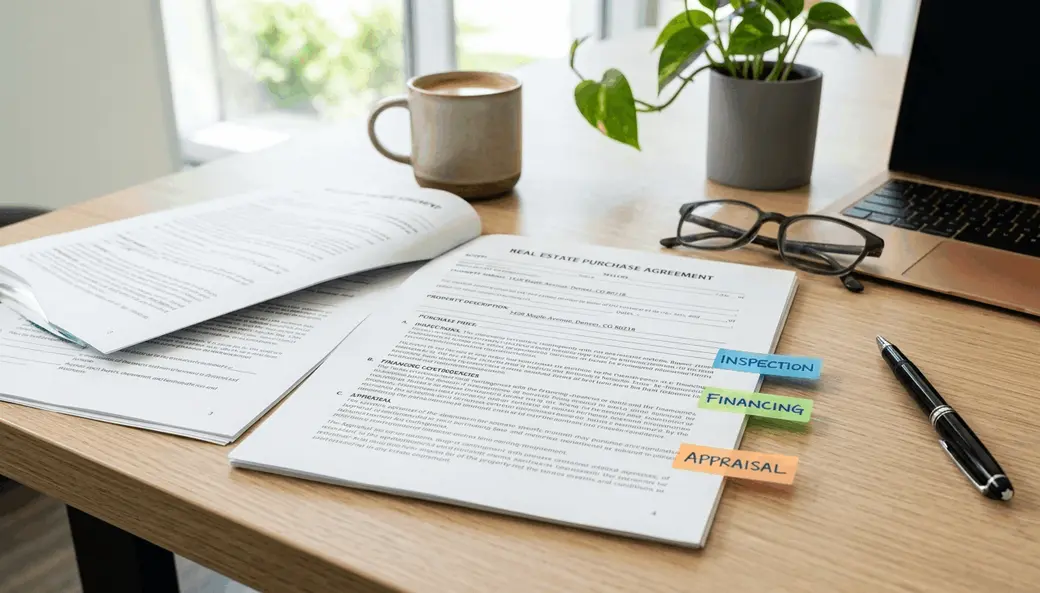
When you’re buying or selling a home in Albuquerque, the contract isn’t just paperwork—it’s your protection plan.
One of the most important parts of that plan? Contingencies.
Contingencies are conditions that must be met for the deal to move forward. They protect buyers from unexpected issues and give sellers a structured timeline and expectations.
But here’s where many people get stuck:
Too many contingencies can weaken your offer
Too few can expose you to risk
The key is knowing how to navigate them strategically.
What Are Contingencies (and Why Do They Matter)?
A contingency is a clause in a real estate contract that allows a party—usually the buyer—to back out or renegotiate if certain conditions aren’t met.
Why They’re Important:
- Protect your financial investment
- Give you time to fully evaluate the property
- Provide leverage for negotiations
Think of contingencies as your safety net during the transaction.
1. Inspection Contingency: Your First Line of Defense
This is one of the most critical contingencies for buyers.
What It Does:
Allows you to have the home professionally inspected and:
- Request repairs
- Negotiate credits
- Or walk away if major issues are found
What Inspectors Look For:
- Roof condition
- HVAC systems
- Plumbing and electrical
- Structural integrity
How to Use It Strategically:
- Focus on major issues, not minor cosmetic fixes
- Avoid overloading the seller with small requests
- Be prepared to negotiate
Skipping this contingency can be risky—even in a competitive market.
2. Appraisal Contingency: Protecting the Price You Pay
If you’re financing your home, your lender will require an appraisal.
What It Does:
Ensures the home’s value matches (or supports) the purchase price.
What Happens If It Appraises Low:
- You can renegotiate the price
- Pay the difference out of pocket
- Or walk away (if protected by the contingency)
In Albuquerque:
Appraisal gaps can happen in competitive situations, so it’s important to understand your options.
This contingency helps ensure you’re not overpaying based on market pressure.
3. Financing Contingency: Securing Your Loan
Even with pre-approval, your loan still needs final approval.
What It Covers:
- Loan approval
- Interest rate terms
- Financial verification
Why It Matters:
- Protects you if your financing falls through
- Gives you time to finalize your loan
Waiving this can make your offer stronger—but it also increases your risk significantly.
4. Home Sale Contingency (If Applicable)
If you need to sell your current home before buying, this contingency may come into play.
What It Does:
- Makes your purchase dependent on selling your existing home
Challenges:
- Less attractive to sellers
- Can make your offer less competitive
Strategy Tip:
- Consider selling first or having a backup plan if possible
This contingency works best in slower markets—but can be tricky in competitive ones.
5. Title Contingency: Ensuring Clear Ownership
This contingency ensures the property has a clear title before closing.
What It Protects Against:
- Liens or unpaid debts
- Ownership disputes
- Legal issues tied to the property
While often handled behind the scenes, it’s a critical protection you don’t want to overlook.
6. Timeline Contingencies Matter More Than You Think
Each contingency comes with deadlines.
Common Timelines:
- Inspection period (often 7–10 days)
- Appraisal and financing deadlines
- Closing timeline
Why This Matters:
- Missing a deadline can waive your protections
- Shorter timelines can strengthen your offer
Staying organized is key to protecting your rights.
7. How to Stay Competitive Without Taking on Too Much Risk
In Albuquerque’s market, buyers often feel pressure to reduce contingencies to win.
Smarter Alternatives:
- Shorten contingency timelines instead of removing them
- Limit repair requests to major items
- Increase earnest money to show commitment
You can still be competitive without putting yourself in a risky position.
8. Seller Perspective: Why Contingencies Matter to Them
If you’re selling—or just want to write a stronger offer—it helps to understand the seller’s mindset.
Sellers Prefer:
- Fewer contingencies
- Shorter timelines
- Higher certainty of closing
The more confident a seller feels, the more likely they are to accept your offer.
9. When (and When Not) to Waive Contingencies
This is one of the biggest decisions in a real estate transaction.
Consider Waiving Only If:
- You fully understand the risks
- You have strong financial flexibility
- The property condition is well-known
Avoid Waiving If:
- You’re unsure about the home’s condition
- You’re relying heavily on financing
- You’re not comfortable taking on risk
There’s no one-size-fits-all answer—this is where strategy matters.
10. Work With a Clear Plan
Contingencies aren’t just contract language—they’re part of your overall strategy.
A Strong Plan Includes:
- Knowing which contingencies you need
- Understanding your risk tolerance
- Aligning your offer with market conditions
The right approach protects you and keeps you competitive.
Final Thoughts
Navigating contingencies in Albuquerque real estate doesn’t have to feel complicated.
When you understand:
- What each contingency does
- How it protects you
- How to use it strategically
You can move forward with confidence—and avoid costly mistakes.
The goal isn’t just to get under contract—it’s to protect your investment every step of the way.
FAQs
Q: What is the most important contingency for buyers?
A: The inspection contingency is often the most important because it reveals the home’s true condition.
Q: Can I buy a home without contingencies?
A: Yes, but it’s risky and usually only recommended in specific situations.
Q: How long do contingencies usually last?
A: It varies, but inspection periods are often 7–10 days, with financing and appraisal timelines extending closer to closing.
Q: What happens if I miss a contingency deadline?
A: You may lose your right to renegotiate or back out without consequences.
Q: Are contingencies negotiable?
A: Yes—terms, timelines, and conditions can all be negotiated between buyer and seller.
Categories
Recent Posts










GET MORE INFORMATION