
How to Compare Homes Effectively When Buying in Albuquerque
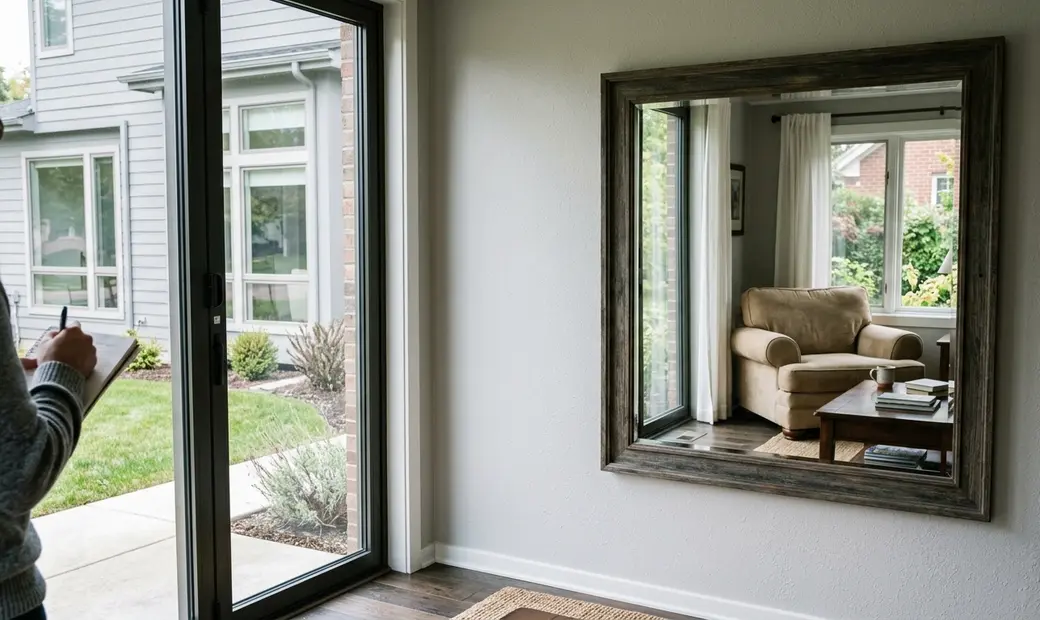
Touring homes is one thing—choosing between them is another.
In Albuquerque’s market, it’s common to see multiple homes that seem like “the one.” But without a clear system for comparing them, it’s easy to feel overwhelmed or make a decision based on emotion instead of strategy.
The goal isn’t just to find a home you like—it’s to find the one that offers the best overall value, lifestyle fit, and long-term potential.
Here’s how to compare homes effectively so you can make a confident decision.
1. Start With Your Priorities (Not the Listings)
Before comparing homes, get clear on what matters most to you.
Create Two Lists:
Must-Haves:
- Location or specific area
- Minimum number of bedrooms/bathrooms
- Budget range
Nice-to-Haves:
- Updated kitchen
- Larger yard
- Mountain views
- Bonus rooms or office space
This gives you a filter so you’re not comparing homes that don’t meet your core needs.
2. Compare Location First
You can change almost everything about a home—except where it’s located.
Evaluate:
- Proximity to work, schools, and daily conveniences
- Access to parks, trails, or the Sandia Mountains
- Neighborhood condition and overall appeal
- Traffic patterns and commute times
In Albuquerque:
- Northeast Heights offers convenience and views
- Northwest areas often provide more space
- Downtown/Nob Hill offer walkability and lifestyle
If one home has a stronger location, it often wins long-term.
3. Look Beyond Price—Compare Value
Two homes can be priced similarly but offer very different value.
Ask:
- What upgrades does each home have?
- Are major systems (roof, HVAC) updated?
- How does condition compare?
Example:
- Home A: Lower price but needs updates
- Home B: Slightly higher price but move-in ready
The “cheaper” home isn’t always the better deal.
4. Evaluate Layout and Functionality
How a home lives matters just as much as how it looks.
Consider:
- Flow between rooms
- Natural light
- Storage space
- Flexibility (home office, guest space)
Red Flags:
- Awkward layouts
- Wasted space
- Limited functionality
A well-designed home will feel better day-to-day—and appeal more to future buyers.
5. Factor in Outdoor Space
Outdoor living is a big part of Albuquerque’s lifestyle.
Compare:
- Yard size and usability
- Landscaping (xeriscaping vs. grass)
- Privacy and views
- Outdoor features (patio, shade, etc.)
A functional outdoor space can significantly increase both enjoyment and value.
6. Consider Energy Efficiency and Utility Costs
In Albuquerque’s climate, efficiency plays a big role in long-term costs.
Look For:
- Type of cooling system (evaporative vs. refrigerated air)
- Insulation and windows
- Solar panels or energy-efficient upgrades
A home with lower utility costs can save you money every month—and add value over time.
7. Compare Condition and Maintenance Needs
Not all homes are in the same condition—even if they look similar online.
Ask:
- How old are major systems?
- Are there visible signs of wear or neglect?
- Will you need immediate repairs or updates?
A home that requires less work upfront may be the better overall investment.
8. Use a Simple Scoring System
When you’ve seen multiple homes, they can start to blur together.
Try This:
Create a quick scorecard for each home (1–10 scale):
- Location
- Price/value
- Condition
- Layout
- Outdoor space
- Overall feel
This helps you compare logically—not just emotionally.
9. Think About Resale Value
Even if you plan to stay long-term, resale value matters.
Consider:
- Is the location desirable?
- Does the home have broad appeal?
- Are there features that could limit future buyers?
The best home is one that works for you and holds value over time.
10. Don’t Ignore Your Instincts—But Balance Them
Numbers matter—but so does how a home feels.
Ask Yourself:
- Can I see myself living here long-term?
- Does this home meet my core needs?
- Am I choosing this for the right reasons?
The right decision is usually a mix of logic and intuition.
Real-Life Comparison Example
Home A:
- Larger size
- Needs updates
- Less desirable location
Home B:
- Slightly smaller
- Updated and move-in ready
- Stronger neighborhood
Home B may offer better long-term value—even if it’s not the biggest.
Final Thoughts
Comparing homes effectively isn’t about finding perfection—it’s about making a smart, balanced decision.
When you:
- Focus on your priorities
- Compare location and value
- Evaluate condition and layout
- Think long-term
You’ll feel more confident choosing the home that truly fits your needs.
FAQs
Q: How many homes should I compare before making a decision?
A: There’s no set number, but most buyers view several homes before finding the right fit.
Q: Should I choose based on price alone?
A: No—value, condition, and location are just as important.
Q: What if I like two homes equally?
A: Compare long-term value, location, and overall condition to help break the tie.
Q: Is it better to buy a fixer-upper or move-in ready home?
A: It depends on your budget, timeline, and willingness to take on renovations.
Q: How do I avoid feeling overwhelmed?
A: Stay organized, use a comparison system, and focus on your priorities.
Categories
Recent Posts





GET MORE INFORMATION