
What Is an Appraisal Gap in Albuquerque Real Estate?
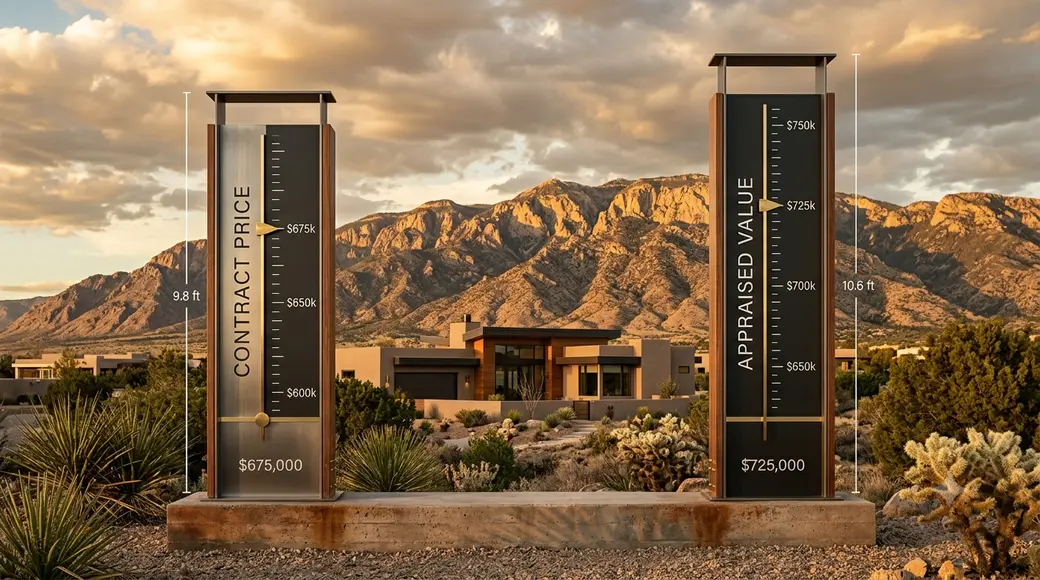
Buying a home can come with a lot of real estate terms that sound much more complicated than they really are. An appraisal gap is one of them.
The basic idea is pretty simple. An appraisal gap happens when the price a buyer agrees to pay for a home is higher than the home's appraised value.
For example, imagine you make an offer of $450,000 on a home, but the appraisal comes back at $440,000. There's a $10,000 difference between the purchase price and the appraised value. That's the appraisal gap.
And what happens next can depend on the terms of your contract and how your financing is structured.
Why Does an Appraisal Gap Happen?
It usually comes down to the difference between what a buyer is willing to pay and what the appraiser can support based on the available market information.
Maybe several buyers were interested in the same Albuquerque home and competition pushed the price higher. Maybe the property has features that are difficult to compare with other recently sold homes. Or maybe the market simply moved faster than the comparable sales could reflect.
It doesn't necessarily mean the home is overpriced.
It means the appraised value and agreed-upon purchase price don't match.
Why Does the Appraisal Matter to the Buyer?
If you're financing your Albuquerque home purchase, the appraisal can be an important part of the loan process.
The lender wants to make sure the property provides sufficient collateral for the loan. If the home appraises for less than the purchase price, the lender may base the loan on the lower appraised value.
That can leave the buyer needing to figure out how to cover the difference.
For example, if you agree to pay $450,000 but the home appraises at $440,000, you may need to bring additional funds to the transaction if you still want to move forward at the agreed price.
The exact outcome depends on your loan, contract, and negotiations.
What Happens When There Is an Appraisal Gap?
There isn't just one way to handle it.
The buyer and seller may renegotiate the purchase price. The seller may agree to reduce the price. The buyer may decide to bring additional money to closing. In some situations, the parties may agree to another solution.
And sometimes the buyer may decide that the home simply isn't worth paying the difference.
This is why understanding your contract and having a clear conversation with your lender and Realtor is so important.
What Is an Appraisal Gap Clause?
Some buyers choose to include language in their offer that explains how much, if any, of an appraisal shortfall they are willing to cover.
For example, a buyer might say they're willing to cover an appraisal gap up to a certain amount.
That can make an offer more attractive to a seller, especially when there are multiple offers on a home.
But buyers should be careful about promising more than they can comfortably afford.
Being competitive is important, but so is protecting your financial situation.
Should Albuquerque Buyers Always Waive the Appraisal Contingency?
Not necessarily.
An appraisal contingency can provide important protection for a buyer if the home doesn't appraise at the agreed purchase price.
Removing that protection may make an offer more appealing to a seller, but it can also increase the buyer's financial risk.
Before changing or waiving an appraisal contingency, buyers should understand exactly what they're agreeing to and discuss the financial impact with their lender and real estate professional.
What Does an Appraisal Gap Mean for Sellers?
For sellers, an appraisal gap can create an unexpected situation after accepting an offer.
A high offer may look great on paper, but if the home doesn't appraise at that price, the transaction may need to be renegotiated.
That's one reason sellers should look at more than just the offer price.
The financing, contingencies, appraisal terms, closing timeline, and overall strength of the buyer's offer can all matter.
How Can Buyers Prepare for an Appraisal Gap?
The best thing you can do is understand your numbers before you make an offer.
Talk with your lender about how much cash you would need if the appraisal comes in low. Know how much you're comfortable spending beyond your planned down payment and closing costs.
And most importantly, don't let the excitement of winning a bidding situation push you into a commitment that makes you uncomfortable financially.
Buying a home should feel exciting.
It shouldn't leave you wondering how you're going to come up with thousands of extra dollars at the last minute.
Final Thoughts
An appraisal gap can sound intimidating, but it's simply the difference between the agreed purchase price and the appraised value of the home.
The important thing is knowing what could happen before you're in the middle of the situation.
If you're buying in Albuquerque, talk with your lender about your financing, understand the appraisal terms in your contract, and know how much flexibility you have if the appraisal comes in lower than expected.
The goal isn't to avoid every possible surprise in real estate.
It's to be prepared enough that when something unexpected happens, you know what your options are.
Frequently Asked Questions
What is an appraisal gap?
An appraisal gap is the difference between the purchase price a buyer agrees to pay and the appraised value determined by the appraiser.
Who pays the appraisal gap?
There isn't one automatic answer. Depending on the contract and negotiations, the buyer may cover some or all of the difference, the seller may reduce the price, or the parties may agree on another solution.
Can an appraisal come in higher than the purchase price?
Yes. If a home appraises for more than the agreed purchase price, there generally isn't an appraisal gap because the appraised value is higher than the purchase price.
Does an appraisal gap mean the buyer overpaid?
Not necessarily. An appraisal is an opinion of value based on the appraiser's analysis. A buyer may still believe the home is worth the agreed price based on its features, location, or personal value.
Should I include an appraisal gap clause in my offer?
It depends on your financial situation and the competitiveness of the market. If you're considering one, make sure you understand how much additional money you could be required to bring to closing.
What should I do if my Albuquerque home appraisal comes in low?
Talk with your lender and Realtor right away. Depending on your contract, you may have several options, including renegotiating the price, covering some of the difference, or reviewing your appraisal-related contingency rights.
Categories
Recent Posts








GET MORE INFORMATION