
Luxury Home Ceiling Design: Architectural Details That Transform a Room
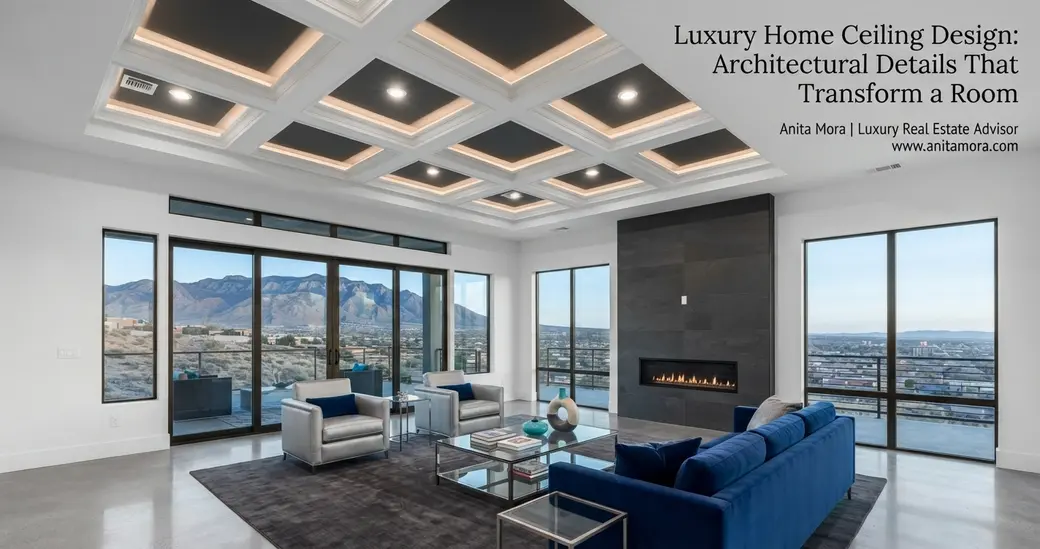
When people picture a beautifully designed luxury home, their attention often goes to the kitchen, flooring, windows, or carefully selected furnishings. Yet one architectural surface can influence the entire feeling of a room without always receiving the attention it deserves: the ceiling.
Ceiling design can change how a space feels, highlight architectural character, and bring dimension to an otherwise simple interior. In luxury homes, thoughtful ceiling details often create the kind of visual interest that makes a room memorable.
The Impact of Ceiling Height
Ceiling height can influence a home's sense of openness and proportion. Taller ceilings may create an airy atmosphere, while more intimate ceiling heights can make certain rooms feel comfortable and inviting.
The goal is not simply to make every ceiling as tall as possible. Proportion matters. A ceiling should complement the size of the room, the placement of windows, and the overall architectural style.
In Albuquerque homes, ceiling height can also influence how natural light moves through a space, particularly in rooms designed to capture mountain or city views.
Coffered and Tray Ceilings
Coffered ceilings introduce a pattern of recessed panels that adds depth and architectural structure. They can bring traditional elegance to a formal dining room, office, or living space.
Tray ceilings offer another approach, using a recessed center section to create a layered appearance. Subtle lighting, contrasting paint, or carefully selected trim can make the design feel distinctive without overwhelming the room.
Both styles work best when their scale and detailing feel appropriate to the architecture.
Exposed Beams and Natural Materials
Exposed beams can bring warmth, texture, and a sense of craftsmanship to an interior. In New Mexico, wood beams may complement regional architectural influences, especially when paired with plaster finishes, natural stone, or understated contemporary furnishings.
The finish and spacing make a difference. Heavy beams can create a dramatic statement, while slimmer details may provide a more modern interpretation.
Lighting That Works With the Ceiling
A well-designed ceiling can become an opportunity for thoughtful lighting. Recessed fixtures, concealed LED strips, pendants, and architectural accent lighting can emphasize ceiling details while supporting the room's everyday function.
Lighting should be planned as part of the overall design rather than added as an afterthought. The right placement can highlight texture and depth without creating unnecessary glare.
What Buyers Should Notice
When touring a luxury property, look beyond the decorative finish. Consider whether the ceiling design complements the room, whether lighting is practical, and whether visible beams or architectural elements appear consistent with the home's overall construction quality.
A dramatic ceiling may catch the eye, but the most successful designs feel integrated into the home rather than added simply for effect.
The Takeaway
Ceiling design is one of those details that can quietly shape the experience of a home. From exposed beams to layered architectural features, the right design adds character while supporting the way a room is used.
For buyers exploring luxury homes in Albuquerque, these details can offer another way to recognize thoughtful architecture and design.
Anita Mora | Luxury Real Estate Advisor helps buyers look beyond the obvious and appreciate the features that give a property its character.
Frequently Asked Questions
Do ceiling details add value to a luxury home?
They can contribute to a home's architectural appeal and overall presentation. Their impact depends on quality, condition, design consistency, and buyer preferences.
Are exposed beams suitable for contemporary homes?
Yes. Clean-lined beams and restrained finishes can complement modern architecture as well as traditional Southwestern styles.
What should buyers inspect in a home with elaborate ceilings?
Look for visible signs of water damage, cracking, separation, or uneven finishes. A qualified inspector can help evaluate concerns that may not be apparent during a showing.
Categories
Recent Posts









GET MORE INFORMATION