
Luxury Home Staircase Design: An Architectural Feature That Makes an Impression
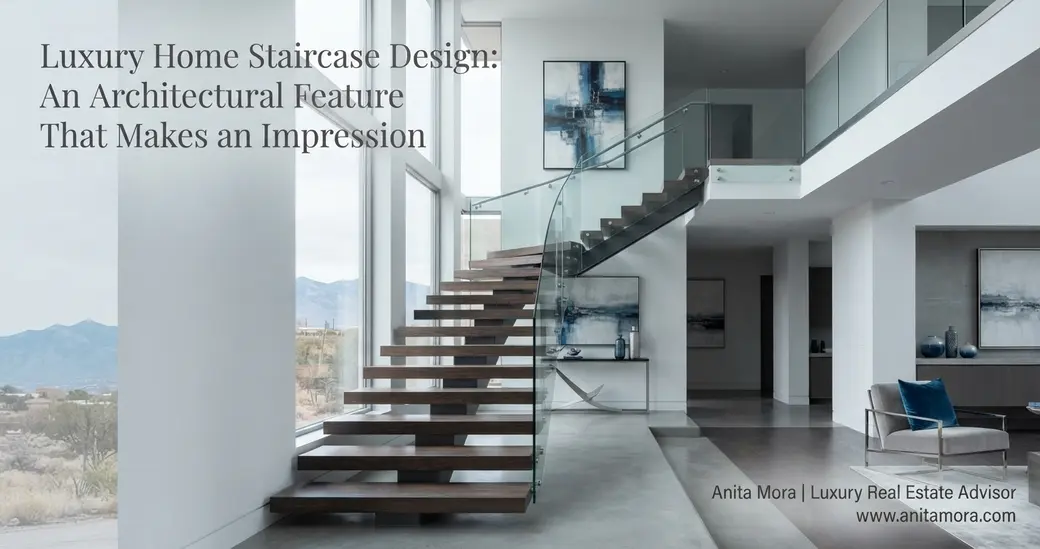
A staircase can be one of the most memorable architectural features in a home. It connects different levels, guides movement through the space, and often becomes a natural focal point in an entryway or main living area.
In luxury homes, staircase design can go well beyond basic function. The shape, materials, railing, and surrounding architecture can create a feature that feels almost sculptural while remaining comfortable and practical to use.
The Staircase as a Design Statement
Some staircases are designed to blend quietly into the architecture. Others are meant to stand out.
A sweeping curved staircase can create a dramatic entrance. A clean, straight staircase may complement a contemporary home, while a more traditional design can introduce classic detailing and craftsmanship.
The best choice depends on the home's architecture and the amount of visual emphasis the staircase should receive.
Materials That Shape the Look
Wood, stone, metal, and glass each create a different impression.
Wood treads can bring warmth and texture. Stone can create a substantial, refined appearance. Metal railings may introduce a modern or industrial influence, while glass panels can help maintain an open visual connection between levels.
Material selection should consider more than appearance. Durability, maintenance, slip resistance, and how the materials feel underfoot are all important.
Floating Staircases and Open Designs
Floating staircases are popular in contemporary architecture because they create a sense of openness. Their minimalist appearance can allow light to move through a space and keep sightlines unobstructed.
However, the visual simplicity depends on careful structural planning. Buyers should not assume that a floating staircase is purely decorative; its construction, support system, railing, and safety features deserve attention.
Railings and the Finishing Details
The railing can dramatically influence the character of a staircase. Slim metal balusters, sculptural wood handrails, glass panels, and custom metalwork all offer different design possibilities.
Lighting is another important detail. Carefully positioned wall lights, step lighting, or overhead fixtures can improve visibility while highlighting the staircase's form.
Safety Should Be Part of the Design
A beautiful staircase should also be comfortable and safe. Buyers should pay attention to step consistency, handrail placement, railing stability, lighting, and the overall condition of the structure.
If a staircase has unusual dimensions or an unconventional design, a qualified professional can help evaluate whether it meets applicable building requirements.
What Buyers Should Notice
During a property tour, consider how the staircase fits into the home's layout. Does it feel natural to use? Does it create a clear connection between spaces? Are the materials and finishes consistent with the rest of the property?
A staircase can be visually impressive, but the strongest designs balance appearance, structure, and everyday function.
The Takeaway
A thoughtfully designed staircase does more than connect floors. It can establish the character of an entry, add architectural interest, and make a home feel distinctive.
For buyers exploring Albuquerque luxury real estate, staircase design is one more detail that can reveal the care and creativity behind a property's architecture.
Anita Mora | Luxury Real Estate Advisor helps buyers appreciate the features that make each property unique.
Frequently Asked Questions
Are floating staircases practical for everyday use?
They can be, provided they are properly designed and constructed with appropriate structural support, dimensions, and safety features.
Which staircase materials are most popular in luxury homes?
Wood, stone, glass, and metal are common choices. The right combination depends on the home's architecture, maintenance needs, and personal style.
What should buyers inspect when touring a home with a statement staircase?
Look for secure railings, consistent steps, adequate lighting, visible damage, and signs of movement or wear. A qualified inspector can evaluate concerns.
Categories
Recent Posts





GET MORE INFORMATION