
What to Know About Closing Timelines in Albuquerque Real Estate
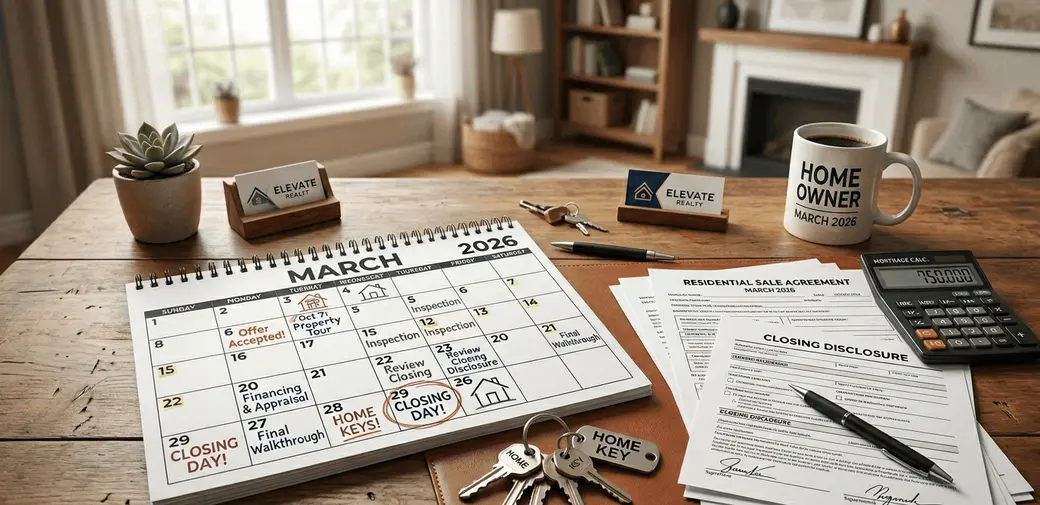
The road to buying or selling a home can be both thrilling and intimidating. While finding the perfect property or securing the right buyer is exciting, there’s one significant part of the process that can often cause stress: closing. For many homebuyers and sellers in Albuquerque, this final step can feel like a maze of paperwork, deadlines, and last-minute hurdles. However, understanding what to expect and how long the process typically takes can make all the difference.
Whether you’re a first-time homebuyer or a seasoned investor, being familiar with the typical closing timeline and knowing how to avoid common delays can help you navigate the Albuquerque real estate market with confidence.
In this blog, we’ll walk you through the standard closing timeline in Albuquerque, factors that could affect the timeline, and how to stay on track to ensure a smooth and timely closing process.
How Long Does It Take to Close in Albuquerque?
In most cases, the closing process for Albuquerque real estate transactions typically takes between 30 to 45 days. This timeline applies to the vast majority of purchases that involve financing. It’s a general rule of thumb, but there are factors that could either shorten or lengthen the time before you officially sign your closing papers and take possession of your new home.
Cash buyers, for example, may close in as little as 2 to 3 weeks because they don’t have to go through the lengthy process of securing a loan. On the other hand, complex transactions, such as those that involve contingencies or certain financing types, may take longer than the typical 45-day window.
So, while 30 to 45 days is the ballpark figure, it’s essential to remember that each transaction is unique, and you’ll need to consider the various stages involved to get a clearer picture of the timeline.
A Detailed Look at the Closing Process
To give you a better understanding of the steps involved, here’s a breakdown of each major phase in the typical closing timeline in Albuquerque:
1. Offer Acceptance (Day 0)
Once both the buyer and seller agree on terms and sign the contract, the closing timeline officially begins. This is known as the "Effective Date" of the contract. From this point, the countdown starts. However, it's important to know that the 30 to 45-day timeline does not always begin immediately after an offer is accepted, as the buyer and seller may need time to take care of other issues, like earnest money or contingencies.
2. Earnest Money Deposit (Days 1–3)
At the time of offer acceptance, the buyer submits an earnest money deposit—typically 1% to 2% of the purchase price. This deposit is a sign of good faith and is held in escrow until closing.
Tip: This earnest money deposit can help prevent delays in the process. The sooner it’s submitted, the sooner the process can officially get underway.
3. Home Inspection (Days 5–10)
This is one of the first major milestones for the buyer. Once the offer is accepted, the buyer typically arranges for a home inspection. The inspection helps identify any structural or systemic issues with the property. While inspections in Albuquerque can sometimes be a quick and straightforward process, they can also reveal problems that need to be addressed. If any major issues arise, the buyer and seller will need to negotiate solutions, which can lead to delays.
Possible Delays:
- Negotiating repair requests or credits can delay the process by a few days to a week.
- Sellers may need time to schedule contractors or repair issues before moving forward.
4. Appraisal (Days 10–20)
For buyers using a mortgage to finance their home, the lender will require a home appraisal to confirm that the property is worth the amount being offered. The appraisal will assess the property’s overall value and condition.
Potential Delays:
- If the appraisal comes in lower than the sale price, it may lead to renegotiation or even deal cancellation.
- Issues with the appraiser’s schedule or bad weather can cause small delays.
5. Loan Processing & Underwriting (Days 15–30)
Once the appraisal is completed and accepted, the buyer's lender begins processing the loan application. During this phase, the underwriter reviews all financial documents (income, credit history, assets) to determine whether the buyer qualifies for the loan.
Common Delays:
- Missing or incomplete financial documents
- Changes in the buyer’s credit score or finances during the process
- Slow response times from lenders
6. Final Walkthrough (Days 25–35)
About 1–2 days before closing, the buyer will conduct a final walkthrough of the property. This is to ensure that the home is in the agreed-upon condition and that any repairs or requests from the inspection have been completed.
7. Closing Day (Days 30–45)
Finally, it’s time for closing! On closing day, all involved parties will meet (often at the title company) to sign the necessary documents. This is where funds are transferred from the lender and the buyer, and the ownership of the property officially changes hands.
Factors That Can Affect Your Closing Timeline
While the steps above outline a typical timeline, there are several factors that can either speed up or slow down your closing. These include:
Financing Delays
Since most buyers require a mortgage, any issues with the lender can cause major delays. Problems may arise during the underwriting phase, where lenders review the buyer’s financial situation. Missing documents, sudden changes to the buyer's credit score, or mistakes in paperwork can all push back the closing date.
Tip: Provide all requested documentation promptly and avoid making significant financial changes during the closing process.
Inspection Issues
If the home inspection reveals major issues—such as foundation problems, electrical concerns, or roof damage—the buyer and seller will need to negotiate repairs or credits. These negotiations can delay the process as both parties work out a solution.
Low Appraisals
If the home appraises for less than the sale price, the buyer may need to come up with more cash or renegotiate the deal. Appraisal issues are especially common in competitive markets like Albuquerque, where home prices may be higher than expected.
Title or Legal Issues
In some cases, the title search may reveal issues, such as liens or disputes over ownership. These problems must be resolved before closing can happen, which can delay the process. Additionally, if the seller has outstanding debts or legal issues related to the property, those will need to be settled before closing.
Buyer or Seller Delays
Any delays from the buyer or seller can impact the closing process. For example, if a seller needs to wait on repairs or a buyer is having trouble securing financing, the timeline will be delayed. Additionally, external factors like holidays or vacations can impact availability.
How to Keep Your Closing on Track
To ensure that everything stays on schedule, here are a few tips for buyers and sellers alike:
1. Get Pre-Approved Early
One of the most important things you can do to avoid delays is getting pre-approved for a mortgage before you begin house hunting. This not only gives you a better idea of what you can afford, but it also shortens the underwriting process once you’ve found a home.
2. Stay on Top of Documentation
Keep track of all the documents your lender requests and respond as quickly as possible. The faster you provide information, the quicker the process will go.
3. Schedule Inspections and Appraisals Promptly
The earlier you schedule your inspection and appraisal, the better. Don’t wait until the last minute to complete these tasks, as delays here can snowball.
4. Keep Lines of Communication Open
Your realtor, lender, and title company should be in constant communication throughout the process. Make sure you stay in touch regularly, and don’t hesitate to ask questions if you’re unsure about anything.
Final Thoughts
Understanding the typical closing timeline in Albuquerque will help you feel more in control of the process. While 30 to 45 days is the standard, being aware of potential delays and how to mitigate them can ensure a smoother experience. With the right preparation, attention to detail, and guidance from a local real estate expert, your transaction can stay on track and close without unnecessary stress.
Whether you’re buying or selling, knowing the ins and outs of the closing timeline allows you to anticipate any bumps in the road and plan accordingly. This knowledge gives you the confidence to make the process as seamless as possible.
FAQs
Can I close in less than 30 days?
Yes, it’s possible—especially for cash buyers, who don’t require mortgage financing. However, for most buyers, 30 to 45 days is the average timeframe.
What’s the longest it can take to close?
If there are title issues, financing delays, or significant repair negotiations, the process could take 60 days or more. It’s important to stay proactive and stay in touch with your realtor and lender.
What if the home’s appraisal is lower than expected?
If the appraisal comes in lower than the sale price, buyers can either renegotiate the sale price, increase their down payment, or walk away from the deal.
Should I do anything to prepare for closing day?
Make sure you have all the required documents, including identification, proof of funds, and any remaining paperwork. It’s also a good idea to review your final loan terms.
Can closing be delayed?
Yes, closing can be delayed for various reasons, such as financing issues, appraisal problems, or title complications. However, both parties can agree to extend the closing date if necessary.
Categories
Recent Posts










GET MORE INFORMATION