
How to Prepare for a Home Inspection as a Seller in Albuquerque
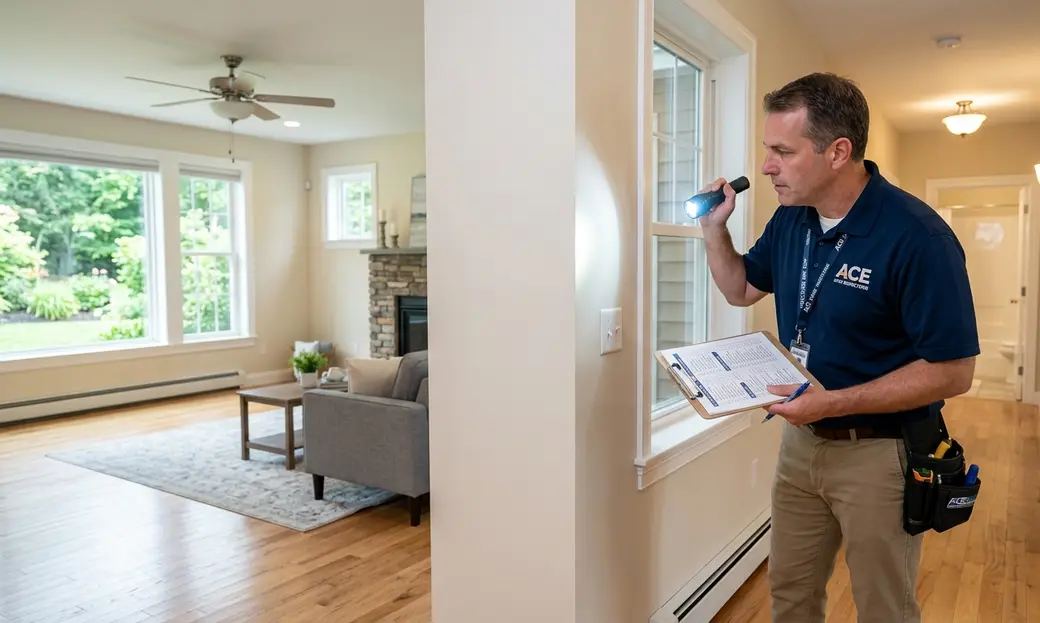
One of the most important steps in selling a home is the home inspection. For many sellers in Albuquerque, the inspection process can be a nerve-wracking experience, as buyers often base their purchasing decisions on the findings. The good news is, with the right preparation, you can avoid major surprises and ensure that the inspection goes smoothly.
While buyers typically pay for the inspection, it’s the seller’s responsibility to make sure the home is in the best possible condition before it’s evaluated. By preparing ahead of time, you can ensure that you make a positive impression on the inspector and that your home inspection report reflects the true value of your property.
In this blog, we’ll walk you through the essential steps to prepare for a home inspection as a seller in Albuquerque. From tackling small repairs to decluttering, these tips will help you get ready for a smooth inspection process and increase the chances of a successful sale.
1. Address Common Issues Beforehand
Many buyers will use the home inspection to point out issues that may require repairs, so it’s a good idea to address any common issues before the inspector arrives. Taking care of these small fixes will not only make your home more appealing but also reduce the chances of buyers asking for significant price reductions.
Common Areas to Check and Fix:
- Plumbing Leaks: Inspect faucets, under-sink areas, and pipes for leaks. Even minor leaks can create a negative impression during the inspection.
- Electrical Issues: Ensure all light fixtures, outlets, and switches are working. If you have exposed wires or non-functional outlets, fix them before the inspection.
- HVAC System: Have your heating and air conditioning systems serviced. Clean or replace air filters, and ensure that the system is running efficiently.
- Roof and Gutters: Inspect the roof for visible damage, such as missing shingles, leaks, or signs of wear. Clean the gutters to prevent water damage.
- Windows and Doors: Check for any broken seals, cracked glass, or doors that don’t close properly. Replacing weatherstripping or repairing damaged frames can prevent issues.
Pro Tip:
If you’re unsure about certain areas of your home, consider hiring a pre-inspection before listing your home. This proactive step can identify potential issues and give you time to make repairs before the buyer’s inspection.
2. Clean and Declutter Your Home
A clean, tidy home will not only make a great first impression but also give the impression that you take care of your property. While it may seem obvious, cleanliness can make a big difference in how your home is perceived by both the inspector and potential buyers.
Cleaning Tips:
- Deep Clean the Home: Ensure that all areas, including baseboards, floors, and light fixtures, are spotless.
- Organize Attic and Basement: If you have an attic or basement, make sure it’s accessible and organized. Inspectors need to move around freely to evaluate these spaces, so clear out any clutter.
- Remove Personal Items: Remove personal items like family photos or unnecessary knick-knacks to allow the inspector and buyers to focus on the home’s features.
- Tidy the Yard: Make sure your lawn is mowed, bushes are trimmed, and the exterior is free of debris. Curb appeal matters during the inspection as well.
Pro Tip:
Consider hiring a professional cleaning service before the inspection. A deep clean can make a significant difference in the overall look and feel of your home.
3. Ensure All Utilities Are On and Accessible
Inspectors need access to all areas of your home, including utilities like water, gas, and electricity. Make sure that all utilities are turned on and easily accessible to avoid delays during the inspection.
Specific Areas to Check:
- Water: Ensure all faucets and showers are running with hot and cold water.
- Gas: If your home uses gas for heating or cooking, make sure the gas is on and working properly.
- Electricity: Verify that the electrical panel is easily accessible and that breakers aren’t tripped.
- Appliances: If you’re leaving appliances with the home, make sure they’re clean and in good working condition.
Pro Tip:
Provide the inspector with any manuals or warranties for appliances, HVAC systems, or other important features in the home. This helps them accurately assess the equipment.
4. Take Care of Exterior Details
The exterior of your home is just as important as the interior when it comes to the inspection. While buyers may focus on the inside of the home, an inspector will look at the foundation, roof, and other exterior aspects for potential issues.
Key Areas to Address:
- Foundation: Walk around your property and check for visible cracks or shifting. Small cracks are common, but larger foundation issues could be a red flag.
- Driveway and Walkways: Ensure that these areas are free of cracks or hazards. A damaged walkway could be seen as a safety concern.
- Fencing: Check the condition of your fencing, gates, or other structures on the property. Ensure that they’re intact and secure.
Pro Tip:
Consider having your roof professionally inspected before listing your home. Roof repairs can be expensive, and addressing any minor issues before the buyer’s inspection could help avoid negotiation delays.
5. Know What to Expect During the Inspection
Understanding the inspection process will help you feel more prepared and less anxious on the big day. A typical home inspection lasts between 2–4 hours depending on the size of the home and the thoroughness of the inspector. During this time, the inspector will check:
- The structure and foundation
- Roofing and attic
- Plumbing, electrical, and HVAC systems
- Appliances, windows, and doors
- Safety features like smoke detectors and carbon monoxide detectors
Pro Tip:
It’s usually a good idea to leave the house during the inspection. The inspector will be walking through your home, checking areas that may be personal or sensitive, and it’s better to let them do their job without distractions.
6. Understand the Inspection Report
Once the inspection is complete, the buyer will receive a report that outlines the inspector’s findings. This report will highlight any deficiencies, repairs, or issues that could affect the home’s value or safety. As a seller, you’ll need to be prepared to either address these issues or negotiate with the buyer.
What to Expect in the Report:
- Major Repairs: These are typically issues that could affect the safety or functionality of the home, such as electrical problems or significant foundation cracks.
- Minor Repairs: These may include things like peeling paint, small leaks, or cosmetic issues that can be easily addressed.
- Safety Concerns: Missing handrails, faulty smoke detectors, or electrical hazards should be addressed promptly to avoid jeopardizing the sale.
Pro Tip:
Don’t be surprised by the report! Even the most well-maintained homes often have a few things that need fixing. Be open to negotiating with the buyer if necessary, but also know that you don’t need to make every repair request, especially if the issue is minor.
Final Thoughts
Preparing for a home inspection in Albuquerque can feel daunting, but it doesn’t have to be. By addressing common issues, ensuring your home is clean and clutter-free, and taking care of any repairs, you’ll make a strong impression and increase the chances of a smooth transaction.
Remember, a successful inspection is a two-way street—while you want to make sure the buyer feels confident in their decision, you also want to protect your own interests and avoid unnecessary repairs. By following these preparation tips and staying proactive, you’ll set yourself up for a successful home inspection and a faster, easier sale.
FAQs
Q: Should I have a pre-inspection done before listing my home?
A: A pre-inspection is a great idea! It allows you to address potential issues before the buyer’s inspection and can give you a clearer understanding of your home’s condition.
Q: How long does a home inspection take in Albuquerque?
A: Typically, a home inspection in Albuquerque will take 2-4 hours, depending on the size and condition of the home.
Q: What should I do if the inspection report reveals problems?
A: If problems arise, you can either repair the issues, negotiate a credit, or lower the asking price. Consult with your real estate agent to determine the best course of action.
Q: Can a clean home inspection guarantee a sale?
A: While a clean inspection report helps, it’s not a guarantee of sale. Buyers may have other concerns, like financing or the overall market conditions. However, a well-maintained home gives you the best chance for a smooth transaction
Categories
Recent Posts










GET MORE INFORMATION