
Luxury Home Storage: Designing Space for the Way You Live
Storage may not be the first feature buyers mention when describing their dream home.
They may talk about the kitchen, the views, the primary suite, or the outdoor living area.
But once a home is occupied, storage can influence how every room feels.
When everyday items have a logical place, living spaces can remain open, organized, and easy to use. When storage is poorly planned, even a beautiful home can begin to feel cluttered.
In luxury design, the goal is not simply to have more cabinets. It is to make storage work with the way people live.
Storage Should Be Designed Around Habits
The best storage solutions begin with practical questions.
Where do bags, coats, and shoes go when someone arrives home? Where are household supplies kept? Is there space for luggage, seasonal decorations, hobby equipment, or specialty appliances?
The answers vary from household to household.
A thoughtful floor plan considers these routines instead of expecting homeowners to figure them out later.
Custom Cabinetry Can Create Cohesion
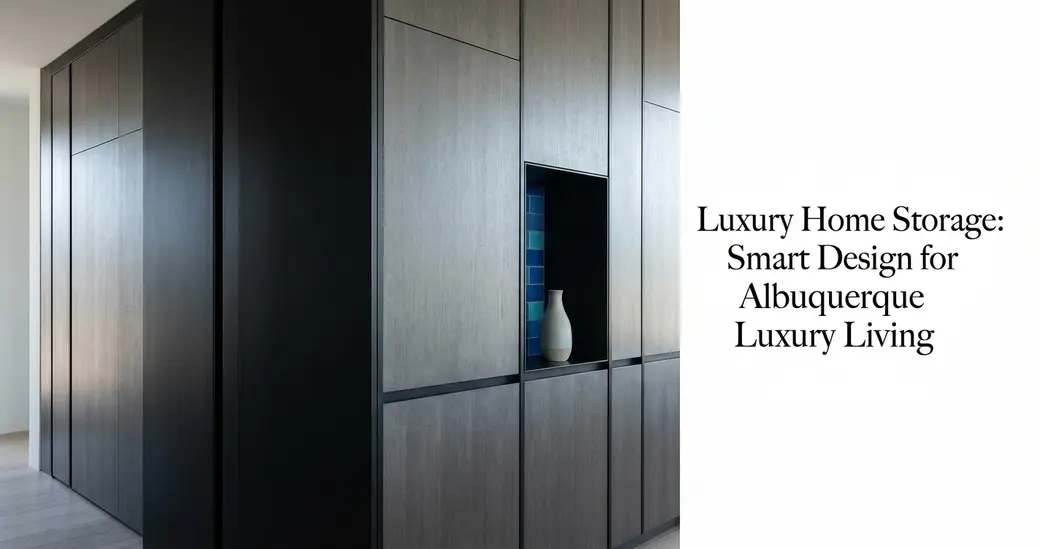
Built-in storage can make a room feel more intentional.
Cabinetry may be integrated into a study, living room, hallway, laundry area, or bedroom. When the proportions and finishes match the architecture, storage can become part of the design rather than an obvious addition.
The result can be visually cleaner without sacrificing functionality.
Closets Need More Than Hanging Space
A well-designed closet reflects the owner's wardrobe and routines.
Depending on the household, useful elements might include adjustable shelving, drawers, shoe storage, accessory organization, full-length hanging space, and appropriate lighting.
The size of the closet is only one factor. Layout and accessibility matter too.
Kitchens Benefit From Specialized Storage
A luxury kitchen often contains a wide variety of equipment, cookware, pantry items, and serving pieces.
Thoughtful storage can include deep drawers, organized pantry shelving, appliance garages, dedicated baking areas, and convenient places for items used every day.
The goal is to keep frequently used items accessible without overcrowding the work surfaces.
Utility Spaces Make Everyday Life Easier
Laundry rooms, linen closets, cleaning-supply storage, and garage organization may not be the most photographed features in a listing.
Yet they can make a significant difference in how smoothly a home functions.
These areas deserve attention during a property tour because they help reveal whether the home supports everyday routines.
Hidden Storage Can Preserve Visual Simplicity
Some luxury interiors are designed around clean surfaces and minimal visual clutter.
Integrated cabinets, concealed utility areas, built-in benches, and storage beneath appropriate furnishings can help maintain that look.
The important point is that minimalism works best when the practical necessities have already been considered.
Think About Storage During a Home Search
When touring a property, consider what will need to be stored and where it will go.
Look inside closets, examine pantry organization, and notice whether utility areas are conveniently located.
If the home has specialized equipment or outdoor amenities, consider where the associated supplies will be kept.
A beautiful home should not require constant rearranging to accommodate daily life.
The Takeaway
Good storage is rarely the most dramatic feature of a luxury home, but it can be one of the most useful.
When storage is planned around real routines, rooms can feel calmer, more functional, and easier to maintain.
That is the kind of design detail that continues to matter long after the first tour.
Anita Mora | Luxury Real Estate Advisor helps buyers consider both the visible features and the everyday functionality of a property.
Frequently Asked Questions
Does more storage always make a home better?
Not necessarily. Storage should be proportionate to the household's needs and designed for convenient access.
What storage areas should buyers inspect during a tour?
Closets, pantries, laundry areas, linen storage, garage space, and utility rooms can all help buyers understand how the home functions.
Can storage be added after purchase?
Often, yes. Built-ins, closet systems, and cabinetry can be added or modified, although cost and feasibility depend on the space and construction.
Categories
Recent Posts








GET MORE INFORMATION