How to Identify Long-Term Value When Buying a Home in Albuquerque
Buying a home is one of the biggest financial decisions you'll ever make. Whether you’re a first-time buyer or a seasoned investor, understanding how to identify long-term value is crucial when buying a home in Albuquerque.
While many buyers focus on the immediate appeal of a home—its layout, features, and curb appeal—making a smart investment also requires looking beyond the surface and considering the future value of the property. A home that offers strong long-term value is more likely to appreciate over time, providing a solid return on investment.
In this blog, we’ll break down the key factors that influence long-term home value in Albuquerque, so you can make a smart, informed decision that aligns with your future goals.
1. Location, Location, Location
When it comes to real estate, location is always the most critical factor in determining long-term value. A home in the right location—whether it’s a desirable neighborhood, close to highly rated schools, or with easy access to work and amenities—has a much higher potential for appreciation over time.
Key Location Factors to Consider in Albuquerque:
- Neighborhood Reputation: Research the neighborhood’s reputation for safety, community involvement, and overall appeal. A well-established area with low crime rates is likely to see continued demand.
- Proximity to Amenities: Homes near schools, parks, shopping centers, and major roadways tend to hold their value. Also, consider how close the home is to transportation hubs, making it easier for future buyers to commute.
- Future Developments: Investigate potential future developments in the area. New commercial developments, schools, or infrastructure improvements can raise property values, while unwanted developments (like industrial plants or highways) can have the opposite effect.
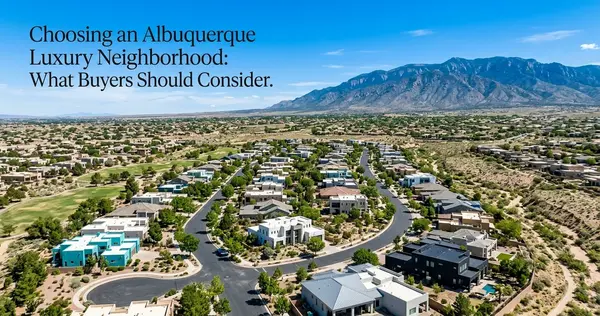
- Desirability of the Neighborhood: Areas like Northwest Albuquerque or the East Mountains have become popular for families seeking a balance between urban living and access to nature. Homes in these types of areas tend to appreciate well over time.
2. Quality of Construction and Materials
The build quality of a home significantly impacts its long-term value. Homes built with durable, high-quality materials and designed with sound construction practices require less maintenance and are more likely to stand the test of time.
What to Look for:
- Foundation Integrity: In Albuquerque, homes in areas with clay soil may experience foundation issues due to shifting soil. Inspect for cracks in the foundation or walls, which could be a red flag.
- Energy-Efficient Features: Homes built with energy-efficient materials, such as double-pane windows, insulation, and energy-efficient appliances, will save on utilities and appeal to future buyers who are looking to lower their carbon footprint and save on long-term costs.
- Roof Condition: A well-maintained roof adds significant long-term value. Homes with newer roofs are typically a better investment, especially in Albuquerque where harsh sun and strong winds can cause wear over time.
- Structural Quality: Check for sturdy framing, sound plumbing, and high-quality electrical wiring. A well-built home requires less frequent repairs and is more likely to appreciate over the years.
3. Market Trends and Growth Potential
Understanding the Albuquerque housing market is essential for identifying properties that will grow in value over time. While home values can fluctuate in the short term, properties in areas that are poised for growth have greater potential for long-term appreciation.
Market Considerations:
- Historical Price Trends: Study the past price trends in the neighborhood. Has it been appreciating consistently over the years? If so, it’s a strong indicator that the area has long-term growth potential.
- Supply and Demand: A low supply of homes in a desirable area typically leads to price appreciation, especially when demand is high. Conversely, areas with a lot of vacant homes or excessive new construction might struggle to appreciate.
- Future Urban Development: Pay attention to master plans for the city. Areas where new businesses or residential developments are planned often experience a boost in home values.
- Job Growth: Albuquerque’s job market can affect its real estate market. Areas near major employers or research institutions may see long-term value growth due to economic expansion and demand for housing.
4. Home Size and Layout
The size and layout of a home are important considerations, but it’s not just about square footage. You should also assess how the home is laid out and if it can easily accommodate modern living needs.
Size and Layout Factors:
- Functional Layout: Open floor plans, multiple bathrooms, and extra bedrooms are features buyers value. A well-designed layout makes the home more livable and marketable in the long term.
- Room for Expansion: Homes with extra land or space for expansion (such as unfinished basements, attics, or large backyards) provide buyers with the flexibility to grow into the property, increasing its future value.
- Outdoor Space: In Albuquerque, outdoor living is highly valued. Homes with well-maintained outdoor spaces or desirable landscaping can appeal to buyers looking for a home where they can enjoy the climate.
5. Condition of the Home’s Systems and Appliances
The condition of your home’s major systems—such as plumbing, heating and cooling (HVAC), and electrical—can significantly impact its long-term value. Homes that require fewer repairs and updates are more attractive to buyers and are likely to hold their value better over time.
What to Inspect:
- HVAC System: In Albuquerque, where summers can be hot and winters cold, having an efficient heating and cooling system is critical. Systems that are newer and well-maintained are seen as an asset.
- Plumbing and Electrical: Faulty plumbing or outdated electrical systems can be a deal-breaker for many buyers. Ensure that pipes, electrical wiring, and water heaters are in good working order.
- Appliances: Modern, energy-efficient appliances can make your home more appealing and reduce future repair costs for buyers.
Pro Tip:
Upgrading or repairing outdated systems may seem costly upfront, but it can add significant value to your home in the long run by attracting a wider pool of buyers.
6. Home’s Age and Historic Value
The age of a home is an important factor when evaluating its long-term value. While older homes can have charm and unique character, they may also come with the need for frequent repairs. Conversely, new homes often come with warranties and modern features that may last longer.
Age and Historic Value:
- Historical Homes: In Albuquerque, homes with historic significance or located in historic districts can appreciate more rapidly due to the city’s cultural and architectural importance. Many buyers find value in preserving the unique character of older properties.
- Newer Homes: New homes often offer modern amenities and design trends, making them attractive to buyers looking for a turnkey solution. They also require less immediate maintenance, which is a major plus for long-term value.
7. Community and Schools
The community and local schools are important factors for long-term home value. Many buyers, especially families, want to be near good schools and in neighborhoods with a strong sense of community.
Factors to Look For:
- School Quality: Homes in areas with highly-rated schools tend to have better resale value. Families are often willing to pay a premium for a home in a top school district.
- Community Features: Local amenities, such as parks, gyms, or recreational centers, add significant value to a property. Walkable neighborhoods with good public services are highly desirable.
Final Thoughts
When buying a home in Albuquerque, identifying long-term value is all about looking beyond the immediate appeal of a property. By considering factors such as location, home quality, market trends, and neighborhood amenities, you can make a smart investment that will appreciate over time.
With careful research and thoughtful decision-making, you’ll be on your way to finding a home that not only meets your current needs but also serves as a valuable investment for the future.
FAQs
Q: What is the most important factor in determining a home’s long-term value in Albuquerque?
A: Location is the number one factor. Homes in desirable neighborhoods with access to schools, parks, and amenities tend to appreciate the most over time.
Q: How can I find out if a neighborhood in Albuquerque is growing in value?
A: Research the area’s historical price trends, future development plans, and local economic growth. Speak with real estate agents to get insights into up-and-coming neighborhoods.
Q: Are older homes in Albuquerque a good investment?
A: Older homes with good structural integrity and located in historic areas can be great investments, but they may require more maintenance. Evaluate the condition of the home’s major systems before purchasing.
Categories
Recent Posts




GET MORE INFORMATION