
The Luxury Home Theater: Creating a Private Entertainment Experience
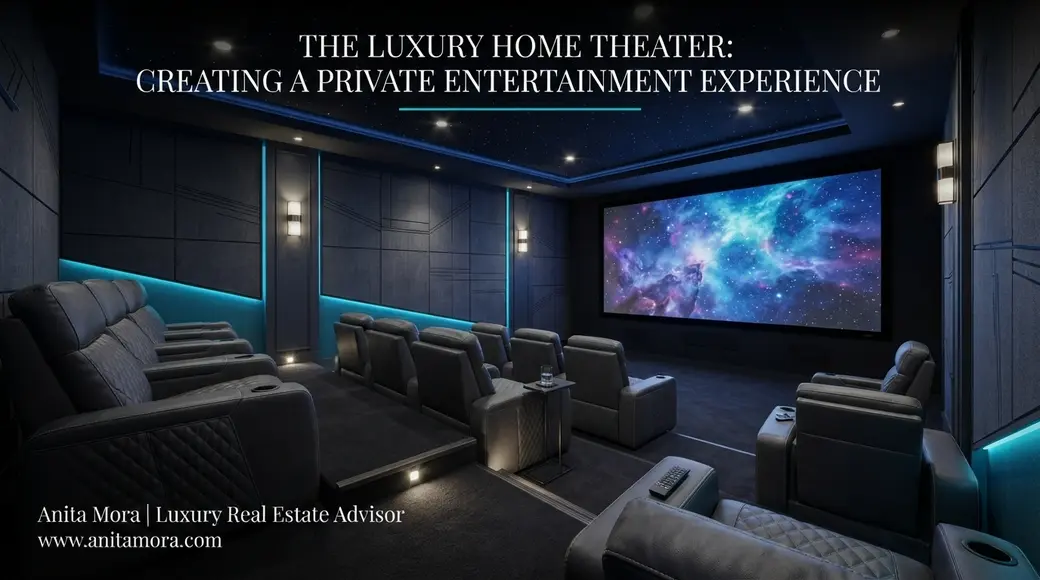
There is something special about settling into a comfortable seat, dimming the lights, and enjoying a movie without leaving home. For homeowners who love movies, sports, gaming, or entertaining, a private home theater can turn an ordinary evening into something more memorable.
In luxury homes, entertainment spaces are becoming more intentional. Rather than simply placing a large television in a spare room, homeowners can create dedicated environments designed around sound, lighting, comfort, and technology.
In Albuquerque, where homes range from contemporary properties to expansive Southwestern residences, a home theater can be designed to complement a variety of architectural styles.
Start With the Right Room
The room itself plays a major role in the entertainment experience. A space with limited outside light can make it easier to control the viewing environment, while a rectangular layout may offer more flexibility for screen placement and seating.
Room dimensions, ceiling height, door locations, and nearby living areas should all be considered before equipment is selected.
A dedicated theater is not essential. A well-designed media room can provide an enjoyable experience while remaining flexible enough for family activities and gatherings.
Sound Is Just as Important as the Screen
A large screen may catch everyone's attention, but sound is what helps create an immersive experience.
Acoustic treatments, carpeting, upholstered furnishings, and carefully selected wall materials can help manage sound reflections. In some homes, additional sound insulation may also be worth considering to reduce noise traveling into nearby rooms.
Professional audio planning can help determine speaker placement and equipment suited to the room.
Comfortable Seating Makes the Difference
Theater seating should fit the space and the way the household entertains.
Some homeowners prefer traditional reclining seats, while others choose a more relaxed lounge arrangement with sectional seating. The distance between seating and the screen, the number of viewers, and comfortable pathways should all influence the layout.
The goal is to create a room that feels inviting rather than overcrowded.
Lighting Sets the Atmosphere
Lighting can dramatically change the feel of a home theater.
Dimmable recessed lights, subtle wall lighting, and low-level pathway illumination can provide visibility without distracting from the screen.
Blackout shades or other light-control solutions may also be useful when the room has windows.
Technology Should Be Easy to Use
A sophisticated entertainment system should not require a complicated process every time someone wants to watch a movie.
Consider how the screen, audio equipment, streaming devices, lighting, and climate controls will work together. Ask about equipment compatibility, maintenance, warranties, and how the system can be operated by different household members.
Simple controls can make an elaborate room much more enjoyable.
What Buyers Should Consider
When touring a home with a theater or media room, look beyond the equipment.
Consider the room's condition, ventilation, wiring, sound management, lighting, and flexibility. Ask which equipment is included in the sale and whether manuals, warranties, or installation information are available.
A dedicated theater can be wonderful, but a flexible room may be more useful for households with changing needs.
The Takeaway
A luxury home theater is about more than a big screen. It is a carefully designed space where sound, lighting, seating, and technology come together to make time at home more enjoyable.
For buyers exploring luxury properties in Albuquerque, the best entertainment space is the one that fits the way they actually live.
Anita Mora | Luxury Real Estate Advisor helps buyers look beyond appearances and consider the features that make a property feel like home.
Frequently Asked Questions
Does a luxury home theater need a dedicated room?
No. A media room or flexible entertainment space can work well. The important considerations are lighting, sound, seating, and how the room will be used.
What makes a home theater sound better?
Room layout, speaker placement, acoustic treatments, and sound management can all contribute to better audio performance.
What should buyers ask about existing theater equipment?
Ask what equipment is included, whether it is operational, how it is controlled, and whether warranties or installation documentation are available.
Categories
Recent Posts





GET MORE INFORMATION