
Albuquerque Luxury Home Design: Historic vs. Modern
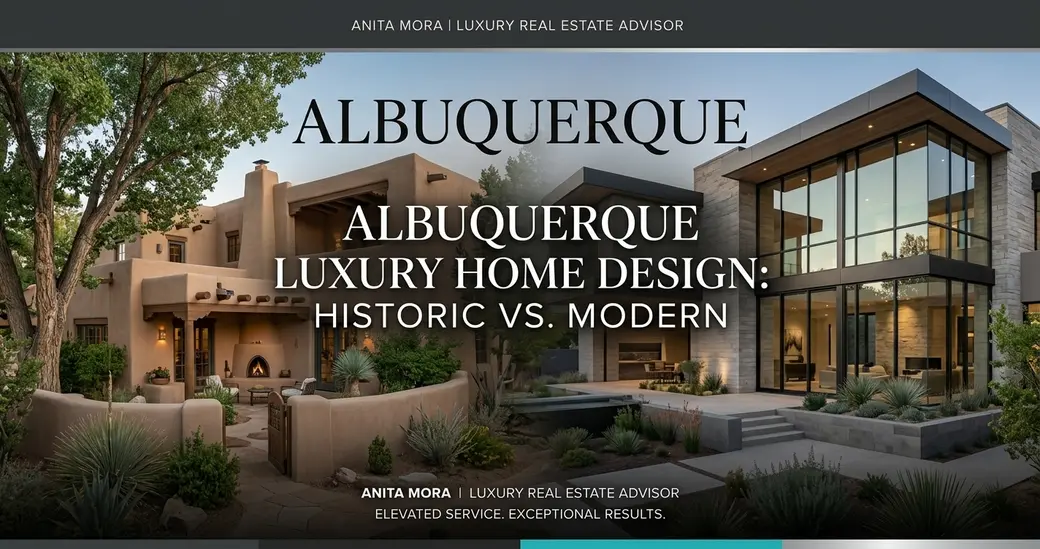
Luxury does not belong to a single architectural era.
In Albuquerque, luxury buyers may encounter historic residences with distinctive character, established landscaping, and handcrafted details alongside newer properties designed around contemporary lifestyles and technology.
Neither approach automatically defines a more luxurious home.
Instead, each offers a different relationship between architecture, maintenance, functionality, and lifestyle.
Understanding those differences can help buyers identify which type of property best fits the way they want to live.
What Makes a Historic Luxury Home Special?
Historic and older homes can offer characteristics that are difficult to reproduce.
Architectural proportions, mature landscaping, established neighborhoods, original craftsmanship, distinctive windows, handcrafted details, and a strong sense of history can create a unique experience.
These qualities can be especially appealing to buyers who value architectural individuality.
Character cannot always be replicated
Modern construction can reproduce certain visual elements, but the patina and history of an established property are different.
A mature tree, original architectural detail, or established relationship between a home and its neighborhood cannot simply be purchased as a new finish.
The Considerations That Come With Character
Historic character can also require more attention.
Buyers may want to understand the condition of major systems, previous renovations, roofing, plumbing, electrical components, windows, insulation, and other property-specific elements.
The age of a home does not automatically indicate a problem, but it makes due diligence particularly important.
What Defines Modern Luxury?
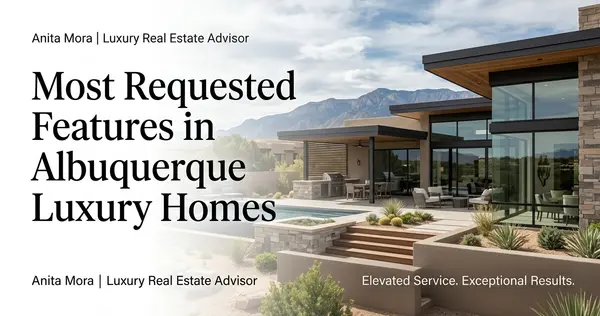
Newer luxury construction often emphasizes clean lines, open layouts, technology, energy-conscious systems, contemporary kitchens, larger windows, and integrated indoor-outdoor spaces.
Modern construction can also provide buyers with a greater ability to choose finishes and systems from the beginning.
The appeal is often customization and convenience.
Technology Changes the Experience
A contemporary home may incorporate smart lighting, automated shades, security systems, advanced climate controls, integrated audio, and other connected features.
These systems can simplify daily routines.
However, buyers should consider how intuitive the technology is and whether the systems can be maintained and updated over time.
Floor Plans Reflect Different Lifestyles
Historic properties may have more defined rooms and architectural separation.
Modern homes often favor open or connected living areas.
Neither approach is universally better.
A buyer who values quiet rooms, architectural separation, and distinct spaces may prefer one approach, while another may want a highly connected kitchen, living, and outdoor entertaining area.
Location Still Matters More Than Style
Architectural style should not distract from the fundamentals of a property.
A buyer should consider location, privacy, views, access, lot characteristics, surrounding development, outdoor space, and long-term livability regardless of whether the home is historic or newly built.
A beautiful architectural style cannot compensate for a location that does not fit the homeowner's needs.
The Albuquerque Context
Albuquerque offers a wide variety of residential environments.
Historic character can be found in established areas, while contemporary custom homes appear throughout newer and highly developed luxury communities. Properties in places such as Tanoan, High Desert, Sandia Heights, North Albuquerque Acres, Los Ranchos, and surrounding communities can differ substantially even within the same broad category of luxury.
The individual property always deserves close evaluation.
Choosing Between Character and Convenience
For some buyers, the decision comes down to a lifestyle preference.
Historic luxury may provide character, mature surroundings, and architectural individuality.
Modern luxury may provide contemporary systems, flexible layouts, and integrated technology.
Some properties combine both through carefully renovated older homes or newly built residences inspired by traditional architecture.
The Long-Term Question
Luxury buyers should consider not only what they enjoy today but what they expect from the property over time.
Will maintenance requirements fit the lifestyle? Is the floor plan adaptable? Will the architecture remain appealing? Are major systems appropriate for the buyer's expectations?
These questions help move the conversation from style to long-term livability.
Anita Mora's luxury real estate expertise provides a framework for evaluating those differences in the context of Albuquerque's varied neighborhoods and property types.
Frequently Asked Questions
Question: Are historic homes considered luxury real estate?
Answer: Yes. Luxury can be defined by architecture, craftsmanship, location, materials, privacy, property characteristics, and lifestyle rather than construction date alone.
Question: Are modern luxury homes easier to maintain?
Answer: They may have newer major systems, but maintenance varies considerably by construction quality, materials, landscaping, technology, and individual property condition.
Question: Can an older Albuquerque home have modern luxury features?
Answer: Yes. Renovated properties can combine historic or established architectural character with updated kitchens, bathrooms, technology, mechanical systems, and modern amenities.
Categories
Recent Posts

GET MORE INFORMATION